Who usually buys the fixtures and products for your repairs?
Angi reports a 10–30% markup when the pro sources materials.
No votes yet. Yours will be the first. · saved on this device
Loading...
Home Repair Scopebook · Plumbing & Electrical cost guide
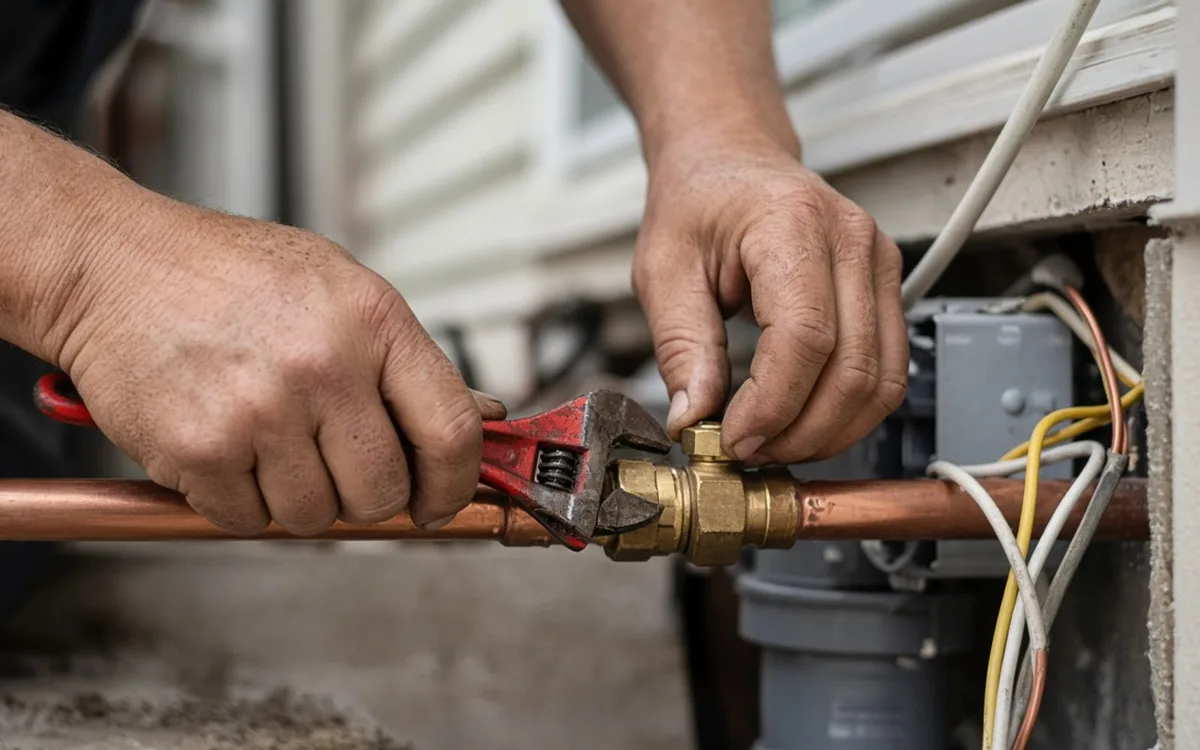
Like-for-like plumbing and electrical swaps by a handyman, where local rules allow, typically run about $65 to $300 per fixture before parts, per HomeAdvisor: roughly $65 for a hall light, $90 for a bathroom faucet, $100 for a fan swap, $150 for a toilet or disposal and $300 for a kitchen sink. Costs jump when new wiring or plumbing is needed, which moves the work to a licensed trade.
Small plumbing and electrical work is priced per fixture, and the price depends almost entirely on whether the existing connections can be reused. A faucet on working valves is a short task; the same faucet on seized valves in an older house is a longer one; a faucet in a new location is a plumbing project. The cost table on this page lists the published per-fixture ranges.
This guide explains what moves a fixture from the low end to the high end, how parts and labor divide, where the cost jumps to licensed-trade territory, and how to budget a list of several swaps. Rules on who may do this work vary by state and city; the permits guide explains how to check.
| Item | Low | High | Unit | Notes |
|---|---|---|---|---|
| Bathroom faucet replacement | $90 | $300 | per fixture | HomeAdvisor and Angi 2026; product not included |
| Kitchen sink install | $300 | $300 | per fixture | HomeAdvisor 2026 flat figure |
| Toilet or garbage disposal replacement | $150 | $150 | per fixture | HomeAdvisor 2026 flat figure; product not included |
| Ceiling fan on existing wiring | $100 | $300 | per fan | HomeAdvisor 2026; $253 average; new wiring up to $2,000 |
| Hall light fixture swap | $65 | $65 | per fixture | HomeAdvisor 2026 flat figure |
| New outlet behind TV | $210 | $210 | per outlet | HomeAdvisor 2026; typically electrician work |
| Handyperson hourly, small plumbing/electrical | $60 | $130 | per hour | HomeAdvisor 2026 |
HomeAdvisor's 2026 handyman list gives $65–$300 across common swaps: about $65 for a hall light, $90 for a bathroom faucet, $100 for a ceiling fan on existing wiring, $150 for a toilet or garbage disposal and $300 for a kitchen sink. Angi's table puts faucet replacement at $100 to $300. These are labor-focused figures and assume the product is supplied.
Ceiling fans have their own guide. HomeAdvisor's average installation cost is $253, with swaps on existing wiring at $100 to $300. The spread reflects ceiling height, the weight and assembly time of the fan, and whether the box needs bracing. Within a bundled visit, each additional like-for-like swap costs roughly its labor time at the pro's hourly rate.
Access and condition drive the upper end. Seized or leaking shutoff valves, corroded supply lines, a toilet flange that is cracked or below floor level, a tight vanity cabinet, a heavy fixture on a weak box, high ceilings, and non-standard sizes all add time. Older homes concentrate these problems. HomeAdvisor lists handyperson rates of $60 to $130 an hour for this work, so each extra half hour is visible on the bill.
Diagnosis adds cost too. A running toilet may need a flapper or a full fill valve; a flickering light may be a bulb, a loose connection or a failing switch. Describe symptoms precisely and photograph the connections so the pro can bring likely parts. Fixr reports emergency and after-hours rates of $90 to $200 an hour, which is the cost of letting a drip become a leak.
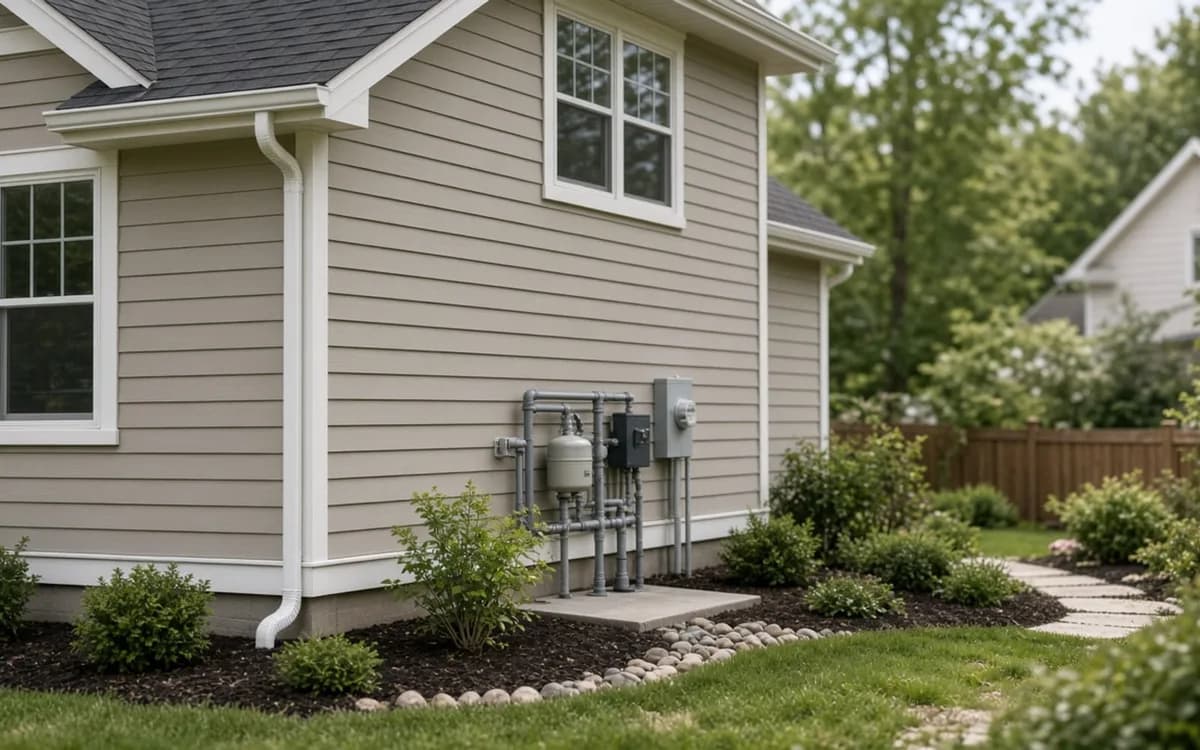
The jump happens when a job moves from replacing to adding. HomeAdvisor notes that a ceiling fan needing new wiring can push the job toward $2,000, and that an outlet behind a TV costs about $210 and is electrician work in most areas. New drain or supply locations, gas connections, water heaters and panel work are similar steps up, and they bring permit fees and inspection time.
Licensed plumbers and electricians typically charge higher service-call minimums and hourly rates than handymen, reflecting licensing, insurance and specialized tools. That premium is part of the price of doing regulated work legally. The handyman versus licensed trade comparison explains how to split a list so each task goes to the right pro.
Unlike most handyman work, fixture swaps can be parts-heavy. A mid-range faucet, fan or light fixture often costs as much as the labor to install it, and premium fixtures cost more. That makes the sourcing decision matter: Angi reports a markup of 10–30% when the pro buys products. Buying the fixture yourself avoids it but makes you responsible for compatibility.
Small parts are different. Supply lines, wax rings, wire connectors, mounting brackets and plumber's tape are cheap and best left to the pro. Many pros recommend replacing old supply lines during any faucet or toilet swap, since they are inexpensive and a common leak source. Ask for such parts to be listed on the estimate so they do not appear as a surprise.
A straight swap has a known time and can be priced per fixture. A diagnostic visit, such as finding why a toilet runs, why a light flickers or why a faucet base is wet, is billed by time because the cause is unknown. At Fixr's most common rate of $65/hr and a typical minimum of $130, a short diagnosis often costs the minimum, with the repair added once the cause is found.
Diagnosis is also where handyman and trade work separate. If the cause is a worn part, the handyman can usually fix it on the spot; if it is inside a wall, in the panel or in the drain line, the job moves to a licensed trade. Ask for an hourly quote with a not-to-exceed figure for diagnostic items, and fixed prices for the clear swaps on the same list. The hourly versus fixed price comparison explains the mix.
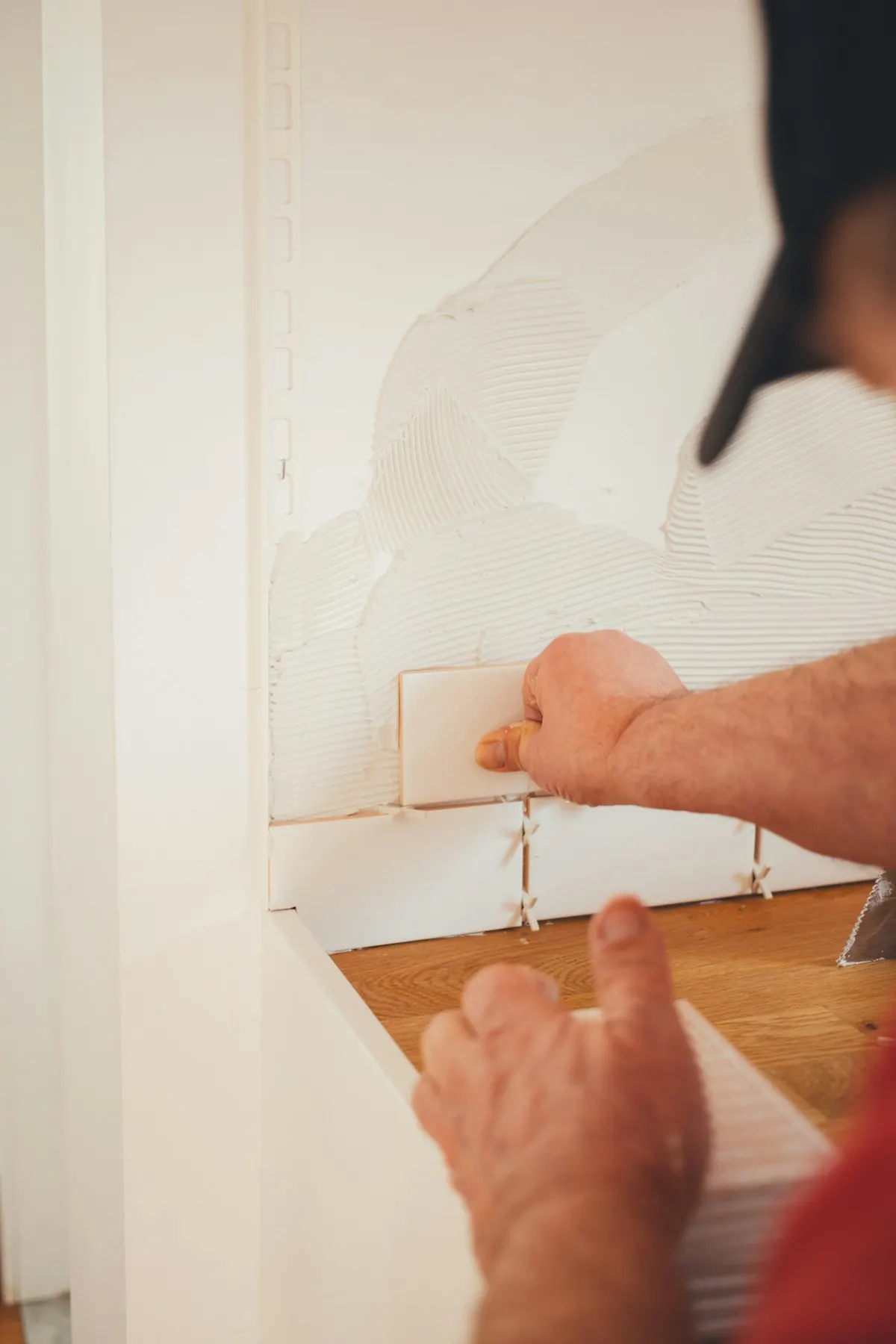
The examples below use HomeAdvisor's per-fixture labor figures and assume the homeowner supplies the fixtures and the connections are reusable. Inside one visit, the combined cost is usually below the sum of single-task prices, because the minimum and travel are paid once. Parts such as supply lines and wax rings are small additions on top.
If any connection fails on the day, the approval cap in the estimate decides what happens next. For plumbing, the most common surprise is a shutoff valve that will not close; for electrical, a box that is not rated for the new fixture. Setting the cap before the visit lets the pro fix a small problem on the spot instead of stopping the job.
| Sample list | Published labor reference | Budget notes |
|---|---|---|
| Two bathroom faucets | About $90 each, per HomeAdvisor | Add supply lines; valves may add time |
| Hall light, two switches, one fan swap | About $65 light, $100 fan | Confirm fan-rated box first |
| Toilet swap and garbage disposal | About $150 each | Wax ring, flange check, disposal wiring |
Timing matters most for water. A slow drip is a scheduled repair; a leak inside a cabinet is urgent; an active leak inside a wall is an emergency with plumber and possibly restoration costs. Scheduling fixture repairs before they fail keeps them at handyman prices. Angi's report of $1,143 in average household emergency repair spending in 2025 shows how expensive the other path is.
Older houses cost more per swap because the connections are older. By our analysis of EIA 2024 survey data, 10.3% of homes use no indoor LED bulbs, often a sign of original fixtures and boxes. Budget more time per fixture in a house built decades ago, and consider having an electrician inspect before a round of fixture swaps if the wiring is original.
Cut premium fixtures before cutting labor quality, since labor on a mid-range and premium faucet is similar. Defer cosmetic swaps, such as replacing working but dated light fixtures, before functional ones, such as a running toilet or a dripping faucet that wastes water. Keep any task where the current fixture is failing, since failure adds water damage or electrical risk.
Do not save by asking a handyman to add a circuit or move a drain; it is usually illegal and the correction costs more. Use the plumbing and electrical service guide to check which tasks suit a handyman, and the calculator to model the list. If a task sits near the line, ask the pro to confirm in writing which parts they will do.
By the numbers
Planning figures from published U.S. sources; every card links to where the number came from.
$65–$300
HomeAdvisor per-task installs: hall light $65 up to kitchen sink $300
The 2026 list also gives a bathroom faucet at about $90, a ceiling fan at $100, and a toilet or garbage disposal at $150. Dividing by an hourly rate gives a fair estimate of the time each task takes.
HomeAdvisor, 2026 Handyman Price List (2026)$253
average cost to install a ceiling fan ($146–$360 typical)
A swap on existing wiring runs $100 to $300; needing new wiring pushes the job toward $2,000 and into licensed electrical work. A non-fan-rated ceiling box is the other common stop point.
HomeAdvisor, Cost to Install a Ceiling Fan (2026)10–30%
typical markup when a handyman buys materials on your behalf
Angi reports handymen add 10% to 30% above retail on materials they source. Buying specified fixtures and products yourself avoids it; consumables like anchors and caulk are usually worth leaving to the pro.
Angi, How Much Does It Cost to Hire a Handyman? [2026 Data] (2026)10.3%
of U.S. homes use no indoor LED bulbs at all (2024)
RECS 2024 finds 36.7% of homes are all-LED and 74.8% at least half LED. Fixture and bulb upgrades are among the cheapest items to add to a handyman list once a pro is on site.
EIA 2024 RECS preliminary household microdata (May 2026) (2024)The calculator uses the same handyman services benchmarks as this guide. Set the size and tier, then request a written estimate to check it against a real proposal.
Homeowner polls
Angi reports a 10–30% markup when the pro sources materials.
No votes yet. Yours will be the first. · saved on this device
No votes yet. Yours will be the first. · saved on this device
No votes yet. Yours will be the first. · saved on this device
Usually slightly, because kitchen sinks have tighter cabinet access, sprayers, soap dispensers and sometimes a disposal or dishwasher connection in the way. HomeAdvisor prices a bathroom faucet at about $90 and a full kitchen sink install at about $300. A kitchen faucet alone sits between those, depending on access and the condition of the valves.
It adds time and a part, and possibly a main water shutoff. Whether a handyman may do it depends on local rules. If the valve is seized or leaking, replacing it during the swap is cheaper than a separate visit later. Ask for valve replacement to be priced as an option on the estimate, so you can approve it on the day without a delay.
Usually a little more than a standard device, because smart devices often need a neutral wire, app setup and sometimes a compatible transformer or common wire for thermostats. If the box lacks a neutral, the job may need an electrician. Photograph the inside of the box or the thermostat wiring before buying, so the pro can confirm compatibility.
The variation comes from electrical and plumbing condition: whether the disposal is hardwired or plugged in, whether the sink flange and drain connections are reusable, and whether a dishwasher drain connects to it. HomeAdvisor's figure of about $150 assumes a straightforward swap. Hardwired units, corroded flanges and cramped cabinets push it higher.
If several are due, yes. Each additional like-for-like fixture swap costs roughly its install time once the pro is on site, far less than a separate visit. Buy all fixtures in advance, confirm box ratings and canopy sizes, and group them by room. It is also a good moment to switch remaining bulbs to LED.
Both approaches are common. Many plumbers and electricians use flat-rate pricing books for standard tasks, while others bill hourly plus a service call. Flat-rate prices can look high for a single fixture but include diagnosis and a warranty on the work. Ask whether the price includes permit fees where a permit is required.
The pro will need extra parts, such as adapters, a new box or a different mounting bracket, or will need to stop if the change becomes regulated work. That is why checking hole counts, spacing, box ratings and canopy sizes before buying is worth the effort. Keep receipts so a mismatched fixture can be returned rather than forced to fit.
 General Home Repairs · Cost guideHow much a general handyman repair visit costs, and how to budget the list
A general repair visit in 2026 costs roughly $60 to $125 an hour before materials, per HomeAdvisor, with a most common minimum of $130, per Fixr.
 Painting & Drywall · Cost guideWhat drywall patching and room painting cost, from one hole to a full room
A small drywall patch costs about $120 to $350 as a standalone job, per Angi, and drywall repair of all kinds averages $612, per HomeAdvisor.
 Furniture Assembly & Mounting · Cost guideWhat furniture assembly and wall mounting cost, piece by piece
Professional furniture assembly runs about $50 to $150 for a small piece, $100 to $550 for a large dresser or desk and $350 to $1,000 for extra-large wardrobes or bunk beds, per HomeGuide.
 Service guidePlumbing & Electrical
This scope covers minor plumbing and electrical symptoms a homeowner notices first: a dripping faucet, a running toilet, a slow drain, a dead outlet, a wobbling ceiling fan, a light fixture swap.
Service guideGeneral Home RepairsGeneral home repairs are the grouped small tasks that keep a house working: sticking doors, loose handrails, failed caulk, cracked trim, wobbly fixtures, weatherstripping, and minor carpentry.
Service guideFurniture Assembly & MountingAssembly and mounting covers flat-pack furniture, TV and monitor mounts, floating shelves, mirrors, curtain hardware, and anti-tip anchoring for dressers and bookcases.
 Free toolHandyman cost calculator: price the visit by the hour
Size, material tier and complexity in, a realistic budget range out.
 Free toolWho should do the job? Handyman comparisons with sourced numbers
Side-by-side tables for the decisions that change the price most.
 Free toolHow well do you understand handyman pricing and scope?
10 questions that show what you already know and what to check next.
 Free toolPolls: how other homeowners handle the repair list
See what other planners chose and add your vote.
Tell us the size, the condition of what is there now, and what you want to change. Home Repair Scopebook passes your request to independent local professionals, who reply with written, no-obligation estimates. The service is free to use.