What most earned your trust in the last handyman you hired?
No votes yet. Yours will be the first. · saved on this device
Loading...
Home Repair Scopebook · Reviews
Reviews of handymen are useful when read for specifics: how the pro handled surprises, whether the estimate matched the invoice, whether they communicated, and whether the work held up. Star counts and generic praise say little. This page explains what to look for, what to verify directly (insurance, licensing, references), and why a matching resource should not publish its own ratings.
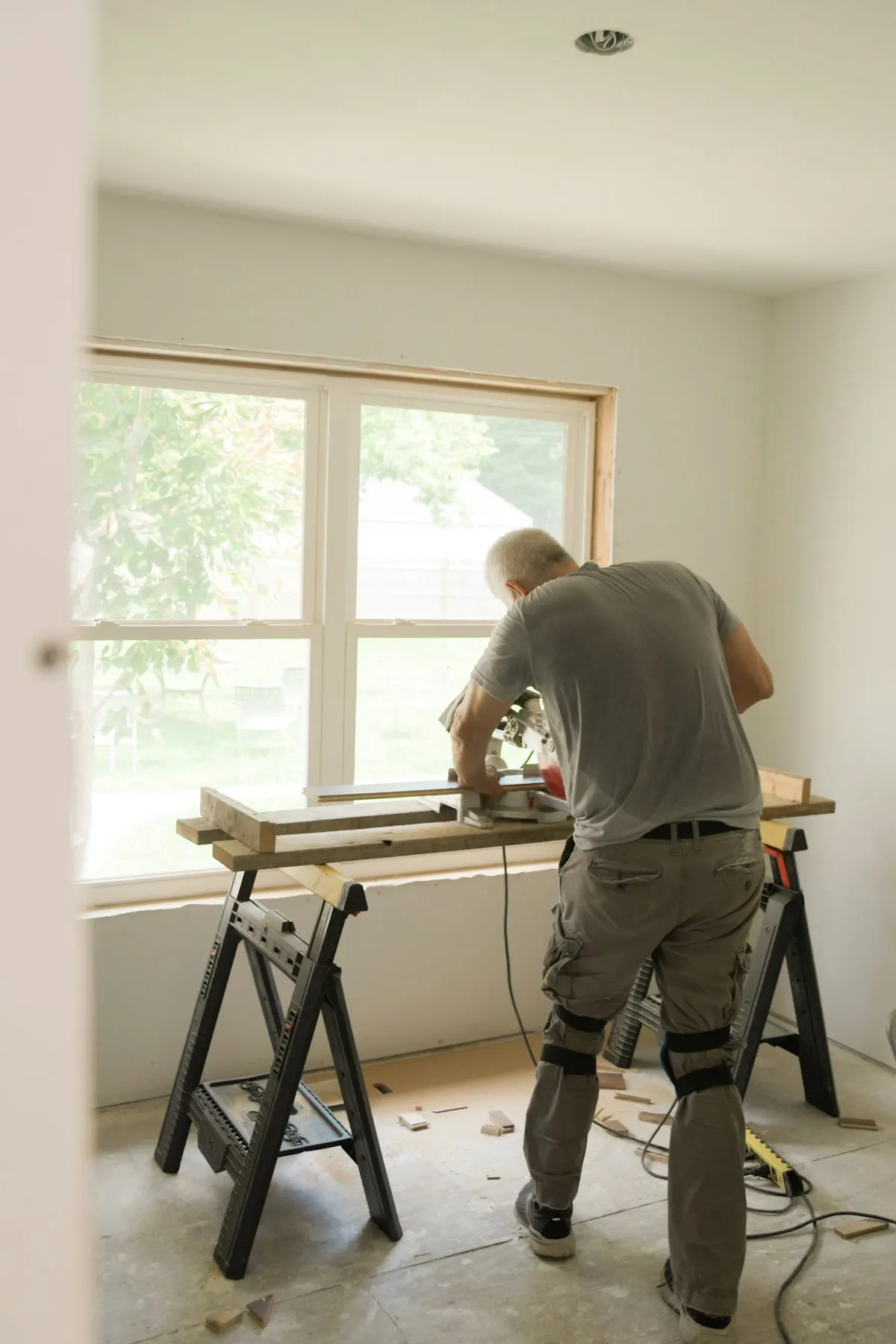
Photo: Taylor Flowe · License.
With more than half a million handyman businesses in the U.S. and most of them one person, reviews are how homeowners try to tell them apart. IBISWorld counts 528,883 in 2026, and few have any brand beyond a name and a phone number. Third-party reviews on marketplaces and search platforms carry a lot of weight as a result, and they are worth reading carefully rather than counting.
This site does not publish ratings, testimonials, or rankings, because it does not verify the professionals it matches and does not want to imply that it does. What it can do is explain how to read the reviews you find elsewhere, what to verify yourself, and how to weigh a review against a written estimate. The about page explains the reasoning.
It describes a specific job, says what was quoted and what was paid, and mentions at least one thing that did not go to plan and how the pro handled it. "Quoted $340 for five items, found the toilet flange was cracked, called me before doing anything, invoice was $410 with the flange, everything still fine six months later" tells you almost everything. "Great guy, highly recommend" tells you nothing.
Look for mentions of communication before the visit, the pro's approach to surprises, punctuality, cleanup, and follow-up on anything missed. Hippo's Housepower report found of homeowners faced unexpected repairs in 2024, so how a pro handles the unexpected is the trait that matters most, and reviews that describe it are worth ten that do not.
Homeowner polls
No votes yet. Yours will be the first. · saved on this device
No votes yet. Yours will be the first. · saved on this device
 Service guideGeneral Home Repairs
General home repairs are the grouped small tasks that keep a house working: sticking doors, loose handrails, failed caulk, cracked trim, wobbly fixtures, weatherstripping, and minor carpentry.
 Service guidePainting & Drywall
Painting and drywall work through a handyman covers holes, cracks, water-stained sections, corner bead damage, texture matching, and repainting a wall or room once the cause of the damage is handled.
 Service guidePlumbing & Electrical
This scope covers minor plumbing and electrical symptoms a homeowner notices first: a dripping faucet, a running toilet, a slow drain, a dead outlet, a wobbling ceiling fan, a light fixture swap.
Tell us the size, the condition of what is there now, and what you want to change. Home Repair Scopebook passes your request to independent local professionals, who reply with written, no-obligation estimates. The service is free to use.
A cluster of reviews in the same week with the same phrasing. A perfect score with no specifics. Reviews that describe a different trade (a roofing job under a handyman profile). Replies from the pro that argue with negative reviews rather than explain. And the absence of any negative review at all over several years, which is statistically unlikely for a busy pro and often means reviews are curated.
One or two thoughtful negative reviews with a measured response from the pro are a good sign, not a bad one. What you are looking for is a pattern of clarity and follow-through, not perfection. Today's Homeowner's survey found 21% of homeowners plan to put repairs on a credit card, and Hippo found 58% of DIYers spent more than planned because of mistakes, so cheap work often gets paid for twice. A bad hire costs real money twice; take the time to read.

Insurance, licensing where it applies, and the written estimate. Ask for a certificate of liability insurance and check the name matches. Ask what licensing applies to your list at your address; the thresholds vary by state and California's $1,000 exemption is one example among many. Then read the estimate for the pricing model, minimum, materials, and approval process described on the general repairs page.
References are the underused check. Ask for two recent homeowners with similar lists and call them. Most pros with a few years of work have them; a pro who cannot provide any is new or has a problem. Neither is disqualifying, but you should know which.
The estimate wins. A pro with mediocre reviews who sends a clear, itemized estimate with fixed prices, a stated minimum, and an approval cap has shown you how they work. A pro with glowing reviews who sends "I charge $85 an hour, should take a few hours" has not. Reviews describe past behavior with other people; the estimate describes proposed behavior with you. Angi's 2026 data puts the average visit at $406; an estimate that explains how it gets to its number is more valuable than any rating.
Use the comparison pages to check whether the estimate's scope is right and the calculator to check whether its number is plausible.
Because it does not inspect their work, verify their insurance, or audit their invoices, and a rating implies that someone did. Matching resources that publish ratings create an impression of endorsement they cannot support. This site keeps its editorial content and its matching separate, attributes every number to a published source, and leaves the evaluation to you with the tools on this page. The polls show what other homeowners weigh; they are not ratings of anyone.

Quality matters more than count. Ten detailed reviews spread over two years with a couple of measured criticisms are more informative than a hundred one-liners. Read the most recent ten and the most critical three, then decide. A very new pro with few reviews is not disqualified; verify insurance and ask for references instead.
Treat them as marketing. Curated testimonials on a pro's site are selected by the pro and cannot be checked. Third-party platforms are imperfect but at least allow negative reviews and dates. Cross-check across two platforms; consistent patterns across both are meaningful.
Usually not by itself. Many price complaints come from homeowners who did not expect a minimum (Fixr finds $130 is most common) or Angi's reported 10–30% material markup. With minimums running $75–$200 per HomeGuide, plus trip fees, surprises sting. Read the pro's reply: if it explains the pricing calmly, the complaint is probably a communication issue. If several reviews describe invoices well above the estimate with no warning, that is a pattern.
Decline politely and review after the work has held up for a while. A pro pushing for a review before completion is optimizing for the rating rather than the outcome. Reviews written weeks later that mention durability are the ones future homeowners need.
Yes, and you should for anything beyond a small bundled visit. Ask for two recent homeowners with similar lists and call them with specific questions: did the estimate hold, how were surprises handled, would they rebook. Most established pros provide references readily.
Describe the list, the quoted price, the invoice, anything that went wrong and how it was handled, and how the work looks after a few months. Skip the adjectives. That is the review you wish you had found, and it takes five minutes to write.
No more than a plain one means an unreliable one. Many excellent handymen have a phone number and a truck and nothing else; some polished profiles belong to lead-generation businesses that subcontract the work. Judge by the written estimate, the insurance certificate, references, and the specifics in reviews rather than the presentation.
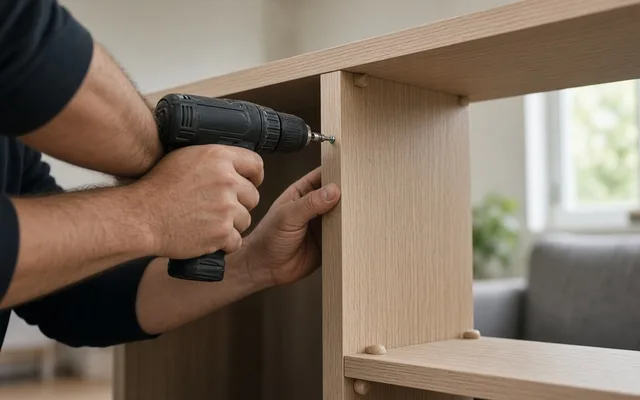
Assembly and mounting covers flat-pack furniture, TV and monitor mounts, floating shelves, mirrors, curtain hardware, and anti-tip anchoring for dressers and bookcases.