How do you prefer a handyman to price a list?
No votes yet. Yours will be the first. · saved on this device
Loading...
About Home Repair Scopebook
Home Repair Scopebook is an independent planning resource for U.S. homeowners with small repair lists. It explains handyman pricing, scope limits, and preparation using published data from cost guides, government surveys, and industry reports, and it forwards estimate requests to independent local professionals. It does not perform repairs, employ tradespeople, or sell anything; the matching is free and carries no obligation.
This site exists because the small-repair market is enormous and confusing. IBISWorld sizes U.S. handyman services at $365.4B in revenue across more than half a million mostly one-person businesses, and there is no standard for how they price, what they will take on, or what they will call themselves. Homeowners meanwhile carry lists they keep deferring, often because the first step, figuring out who to call and what to say, is unclear.
The pages here are written for a reader who wants to understand the job well enough to write a good list, read a quote critically, and know when a handyman is the wrong call. Every number is attributed to its source in the text. When you are ready, the request form sends your list to independent pros in your area.
Published cost guides from Angi, HomeAdvisor, HomeGuide, Fixr, and Thumbtack, which aggregate real project data or marketplace pricing; government sources including the Bureau of Labor Statistics and the EIA Residential Energy Consumption Survey; industry research from IBISWorld and Harvard's Joint Center for Housing Studies; and homeowner surveys from Houzz, Hippo, Today's Homeowner, and NAR. We also tabulate the EIA's 2024 household microdata ourselves: our analysis found 17.6% of homes described as poorly insulated, and a 6.5 pts gap in frequent drafts between pre-1990 and newer owner-occupied homes. Each statistic carries the publisher, the year, and a link.
Angi's $406 average is a national figure across more than a hundred thousand projects; your visit will not cost exactly that. BLS's median wage of $49,590 for maintenance and repair workers explains why hourly rates of $60 to $125 are not excessive once overhead, travel, tools, and insurance are added, but it does not set anyone's rate. Use the figures to notice when a quote is far outside the norm, then ask why.
It explains. Pricing models, scope boundaries, licensing thresholds where they are published, preparation, and how to read a proposal. It also provides planning tools: an hourly calculator, comparisons, a quiz, and polls that show how other homeowners approach the same decisions.
It does not perform repairs, employ or dispatch tradespeople, verify licenses on your behalf, or take a cut of any job. Estimate requests are forwarded to independent professionals who serve your area; you decide whether to proceed with any of them. No pro pays to be recommended in the editorial content, and the editorial content does not name pros.
Because preparation is what the homeowner controls, and it moves the price more than shopping does. Fixr's most common minimum charge is $130 per visit, so bundling tasks under one minimum is the single largest lever on a small-repair bill. Buying specified materials in advance avoids the 10–30% markup Angi reports. A written list with photos turns hourly uncertainty into fixed prices.
Shopping for the cheapest hourly rate, by contrast, often finds the pro with the least insurance, the fewest tools, and the most callbacks. The site's advice is to shop for clarity and responsiveness, use the published ranges to catch outliers, and keep the pro who does good work.
By keeping the editorial content and the matching separate. The articles would read the same if no request form existed. Statements about pros are general and sourced; the site does not claim that its matched professionals are licensed, insured, top-rated, or anything else, because verifying those things is the homeowner's job and the site does not do it for you. The reviews page explains how to do that verification yourself.
The site also does not run its own surveys or publish figures without a source. Where a topic changes often, such as state licensing thresholds, the pages say when the figures were checked and against which board, and tell you to confirm locally.
A homeowner who is smart, busy, and not a tradesperson. Someone who would rather understand why a patch costs $150 than be told to trust the process. Someone with a list. Harvard's JCHS found owner maintenance spending up 61% since 2019 to $105 billion, and per-owner spending at a record $1,200; the market is not short of demand, it is short of clear information for the people paying. That is the gap the site tries to fill, one repair list at a time. The services hub is the best place to start.
 Service guideGeneral Home Repairs
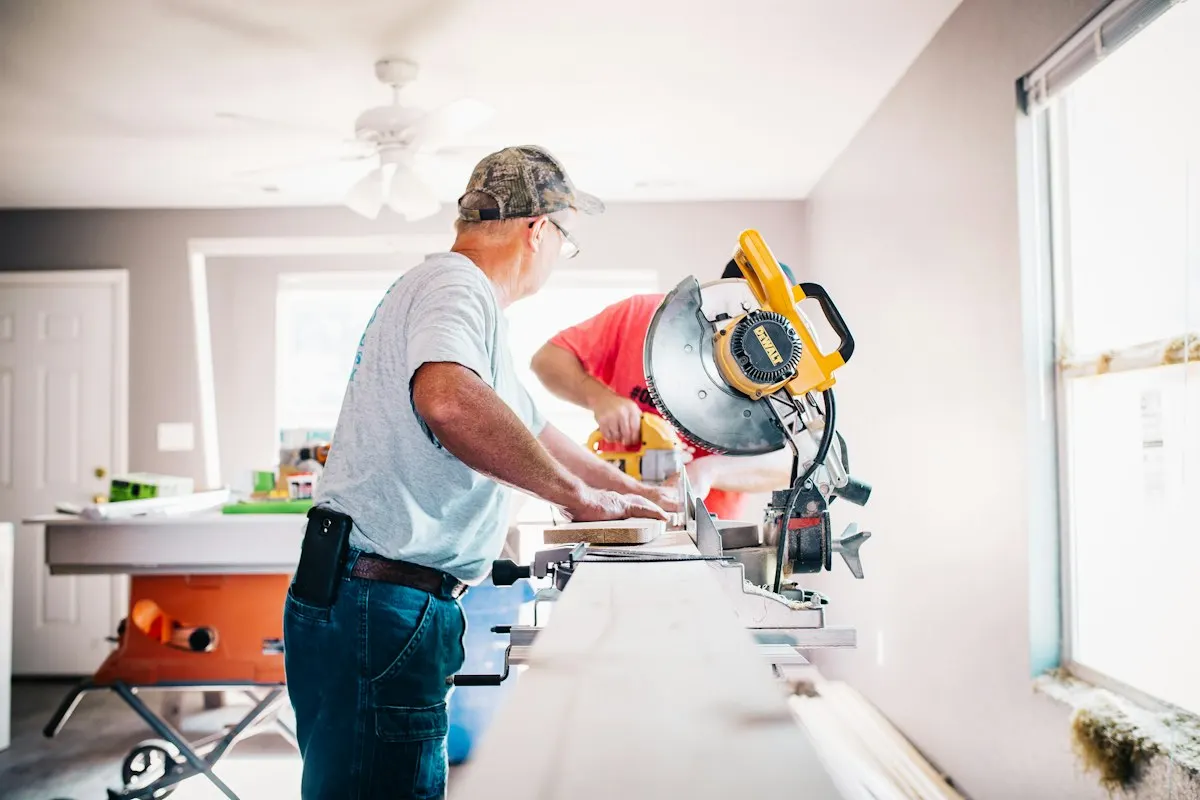
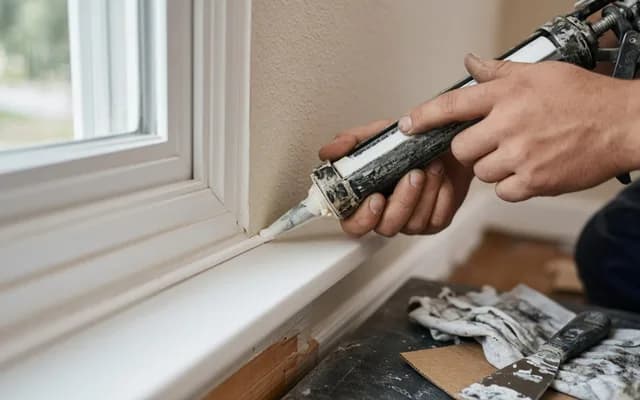
General home repairs are the grouped small tasks that keep a house working: sticking doors, loose handrails, failed caulk, cracked trim, wobbly fixtures, weatherstripping, and minor carpentry.
 Service guidePainting & Drywall
Painting and drywall work through a handyman covers holes, cracks, water-stained sections, corner bead damage, texture matching, and repainting a wall or room once the cause of the damage is handled.
 Service guidePlumbing & Electrical
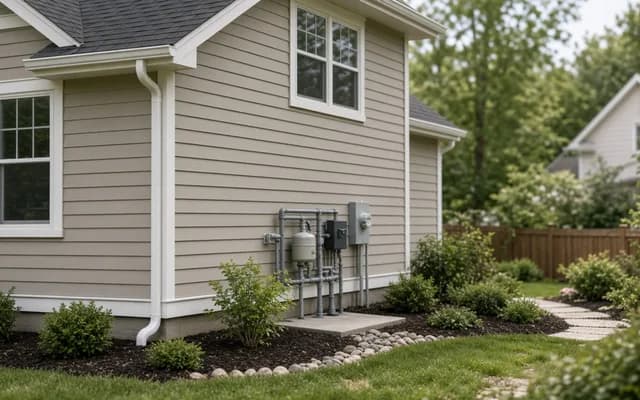
This scope covers minor plumbing and electrical symptoms a homeowner notices first: a dripping faucet, a running toilet, a slow drain, a dead outlet, a wobbling ceiling fan, a light fixture swap.
 Service guideFurniture Assembly & Mounting
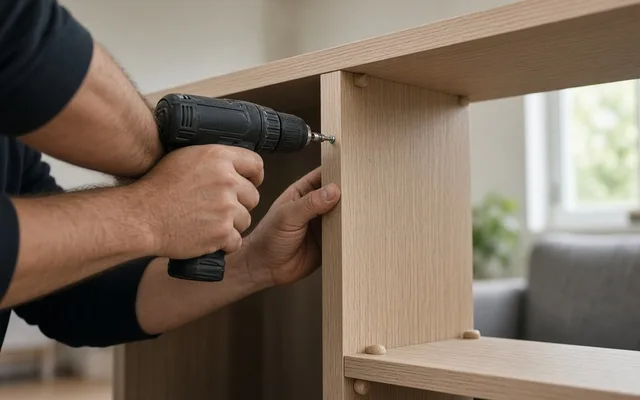
Assembly and mounting covers flat-pack furniture, TV and monitor mounts, floating shelves, mirrors, curtain hardware, and anti-tip anchoring for dressers and bookcases.
Homeowner polls
No votes yet. Yours will be the first. · saved on this device
No. It is a planning and matching resource. It publishes explanatory content based on published data and forwards estimate requests to independent local professionals. It does not employ tradespeople, perform work, or guarantee anyone's availability, licensing, or pricing. Any pro you hire through a matched estimate is an independent business, and your agreement is with them.
No. The content is free, the tools are free, and submitting an estimate request costs nothing and creates no obligation. You may receive responses from more than one pro; you can decline all of them. The site does not charge homeowners at any point.
Each figure carries its publication year, and the cost guides cited are 2025 and 2026 editions. Prices in the trades move with labor markets and materials, so treat any figure more than a year or two old as a floor rather than a current number. The site updates when its sources do.
Because the site does not verify pros and does not want to imply that it does. Ratings and testimonials on a matching site create an impression of endorsement that the site cannot back up. The reviews page instead teaches you how to read third-party reviews critically, which is the skill you actually need.
Yes. The pages explain what each job involves, what fails, and what it costs to hire out, which is exactly the information needed to decide whether to DIY. Hippo's survey found 58% of DIYers overspent because of mistakes, so the site is candid about where DIY tends to go wrong, but the choice is yours.
Published, linkable sources with a stated methodology or a large sample: national cost guides, government surveys, industry research firms, and named homeowner surveys. Each is attributed in the text with its year. Where sources disagree, the pages show both figures rather than picking one, because the disagreement itself tells you something about the range you should expect.
Your list and photos are forwarded to independent professionals serving your area. Those who are interested respond directly to you with questions or a written estimate. Compare the responses using the guidance on the site, ask for insurance and licensing details, and hire whoever you choose, or nobody. The site is not involved in the transaction.
 LocationsRegional planning notes
How climate, codes and prices change a project across U.S. regions.
 ArticlesPlanning articles
Cost guides, checklists and mistakes to avoid before you sign.
 ReviewsHow to read reviews
What genuine contractor reviews look like and what they leave out.
Tell us the size, the condition of what is there now, and what you want to change. Home Repair Scopebook passes your request to independent local professionals, who reply with written, no-obligation estimates. The service is free to use.