For a single room repaint, what would you do?
No votes yet. Yours will be the first. · saved on this device
Loading...
Home Repair Scopebook · Painting & Drywall cost guide
A small drywall patch costs about $120 to $350 as a standalone job, per Angi, and drywall repair of all kinds averages $612, per HomeAdvisor. HomeAdvisor's wider wall-repair figure of $908 also counts plaster and structural damage. Painting one room runs $300 to $1,000 for walls only and $600 to $2,000 with ceiling and trim, per HomeGuide, at $1 to $3 per square foot of surface. Inside a bundled handyman visit, small patches cost less because they share the minimum.
Patching and painting costs are driven by three things: the size and number of repairs, the finish expected, and how many visits drying time requires. The cost table on this page lists the published ranges. This guide explains how those ranges apply to real walls, how much of the bill is labor, and where the money can be trimmed without leaving a visible patch.
It also explains why the same small hole is priced so differently by different kinds of pro. HomeGuide's contractor figure for a small patch, $300–$500, is much higher than a handyman's typical price for the same work, and the reason is the minimum job fee, not the difficulty of the repair.
| Item | Low | High | Unit | Notes |
|---|---|---|---|---|
| Small drywall hole patch (handyman) | $125 | $175 | per patch | Fixr 2025; contractor minimums push this to $300–$500 |
| Larger drywall repair | $275 | $800 | per repair | Fixr 2025 |
| Drywall repair, all types | $296 | $929 | per repair | HomeAdvisor 2026 typical range; $612 average |
| Water-damaged drywall section | $600 | $1,550 | per section | HomeAdvisor 2026; includes removal and drying |
| Paint one room, walls only | $300 | $1,000 | per room | HomeGuide 2026; $750 national average |
| Paint room incl. ceiling and trim | $600 | $2,000 | per room | HomeGuide 2026 |
| Painting labor by surface | $1 | $3 | per sq ft | HomeGuide 2026 |
| New drywall installed | $48 | $80 | per 4x8 sheet | Fixr 2025; $1.50–$3.50 per sq ft |
Most pros price small repairs per patch or by time. Fixr lists a wall hole at $125 to $175 and larger drywall repair at $275 to $800, and Angi's drywall patch band is $120–$350. HomeAdvisor's average across all drywall repair is $612, pulled upward by larger and water-damaged repairs. These are standalone prices that include a visit's overhead.
Inside a bundled visit, the cost per patch falls because the minimum and travel are shared. HomeAdvisor reports contractors charge about $20 to $120 for a small fix, and a handyperson bills $60 to $90 an hour for drywall work. Three or four small patches on the same visit may add only an hour or two of labor, spread across two trips if drying time requires it.
The type of damage sets the price more than the size of the wall. The drywall damage table in this section uses HomeAdvisor's June 2026 repair guide. Retexturing to match runs $1 to $1.95 per square foot on the same page. Two HomeAdvisor averages circulate: its drywall page gives $612, while its broader wall-repair page gives $908 because it adds plaster, concrete and structural repairs. For a drywall patch, $612 is the right comparison.
| Damage type | HomeAdvisor 2026 range | What drives the price |
|---|---|---|
| Nail pop | $10–$60 | Reset or add a screw, spot compound and paint |
| Tear in the paper face | $20–$120 | Seal torn paper before compound |
| Small hole | $20–$120 | Patch kit or mesh, two coats, primer |
| Drywall anchor repair | $75–$100 | Fill oversized anchor holes, re-anchor |
| Large hole | $50–$200 | Cut out, add backing, tape and finish |
| Cracks and chips | $60–$400 | Length, and whether the crack is movement |
| Mold damage | $150–$350 | Remove affected board once moisture is fixed |
| Ceiling repair | $220–$1,300 | Overhead work, texture, access |
| Water damage | $600–$1,550 | Removal, drying the cavity, replacement |
Painting is priced by surface area and preparation. HomeGuide's figure of $1 to $3 per square foot of surface is the most useful unit, because it scales with the room. A typical room, walls only, lands at $300–$1,000 in HomeGuide's 2026 guide; adding ceiling and trim takes it to $600 to $2,000 because trim is slow, detailed work.
Measure wall area by multiplying the room's perimeter by the ceiling height, then subtract large openings. Ceiling area equals floor area. Trim is priced by linear foot or by time. Where a pro quotes per room, ask what size of room the price assumes, so a large living room is not priced as a small bedroom or the other way around.
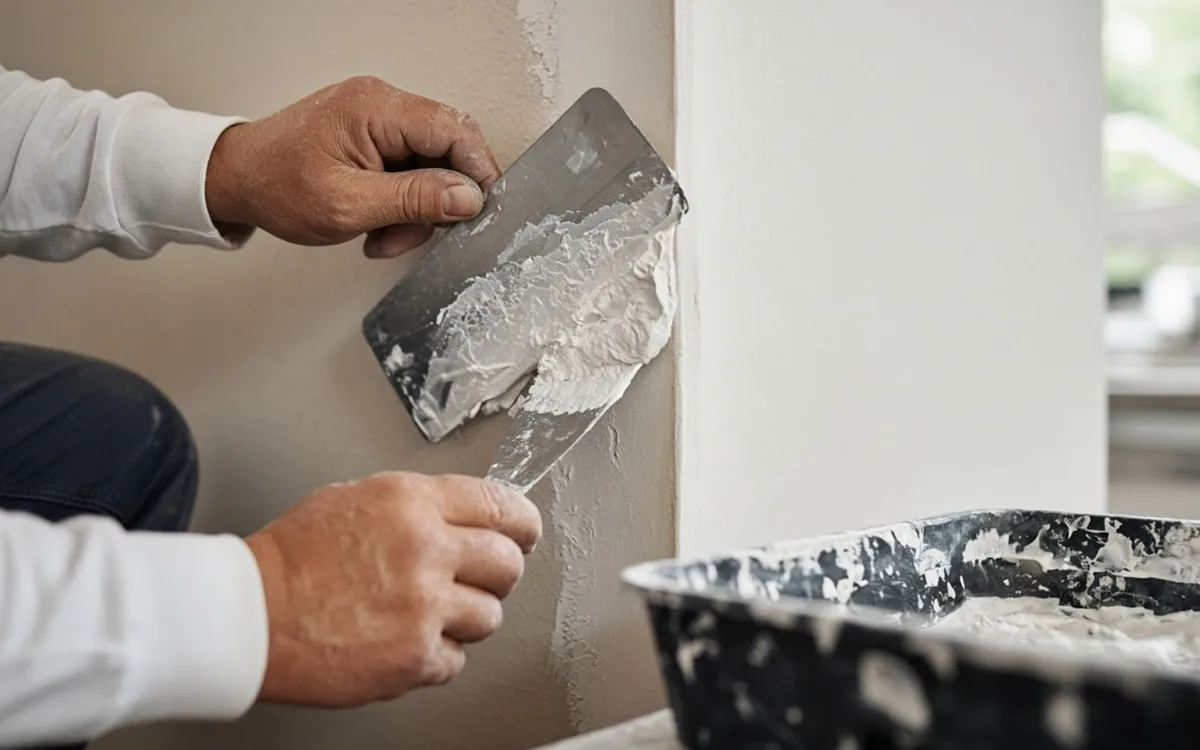
Finish expectations change labor more than materials. A basic tier fills and sands patches, primes them and rolls one or two coats over the wall. A standard tier adds texture matching on textured walls, caulking trim gaps and cutting clean lines at ceilings. A premium tier adds skim coating to flatten imperfect walls, more sanding between coats and higher-grade paint, and suits walls under raking light or in gloss sheens.
Most rooms need the standard tier. Premium finishing is where painters and drywall finishers earn their higher minimums. Paint grade matters less to the total than people expect, since materials are a minor share of a room, so choosing a better paint rarely changes the budget much but often improves coverage and washability.
Labor dominates. For a room repaint, HomeGuide's DIY materials estimate of $150 to $300 against its professional range shows that most of the bill is time: moving furniture, masking, patching, priming, cutting in, rolling and cleanup. For patches, materials are cheaper still. That is why preparation you do yourself, like clearing the room and removing wall hangings, reduces the bill directly.
New drywall is the exception, where material volume grows. Fixr prices installed drywall at $48–$80 per 4x8 sheet, with labor alone at $1.15 to $3 per square foot. Replacing a section of a wall uses one or two sheets; replacing a whole room uses many, and that is where a drywall contractor's production rate usually beats hourly handyman labor.
Drying time is the hidden cost of small drywall repairs. Premixed compound dries by evaporation and may need overnight before a second coat, sanding and primer, which can turn one patch into two visits and two minimums. Setting-type compound hardens chemically and allows same-day finishing in many cases, at the price of more skill and faster working time.
Plan around it. Put patches first on a bundled list so they dry while other tasks are done, ask the pro which compound they will use, and if a second visit is unavoidable, get the return price in writing. Water-damaged sections need more time still, because the wall cavity must dry before closing, which is why HomeAdvisor prices them at $600 to $1,550.
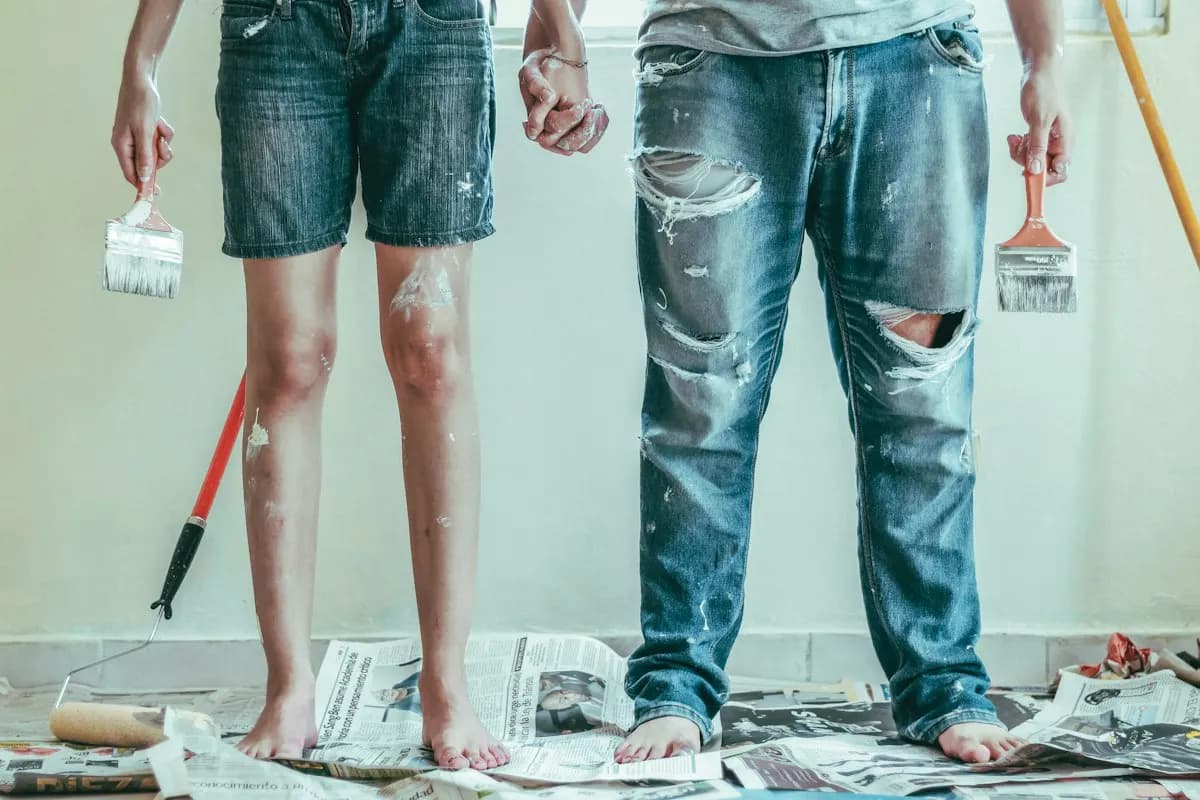
Climate affects drying time, and drying time affects visits. Joint compound and paint dry slowly in cold or humid rooms, which can turn a same-day patch into an overnight wait and a return trip. Running a dehumidifier or heating the room before the visit helps. In humid southern summers or unheated northern winters, ask the pro whether setting-type compound will be used so the patch can be finished in one visit.
House age affects both method and rules. Plaster walls need different repair techniques from drywall and often take longer. In homes built before 1978, the EPA's lead renovation rule requires certified lead-safe practices when paid work disturbs more than six square feet of painted surface in a room, which adds preparation and cleanup cost. The permits guide explains the rule, and the calculator has a diagnostic setting for older-house work.
The examples below use published ranges and assume the homeowner supplies the paint color and clears the room. The first two assume a handyman inside a bundled visit; the third is the scope where a painter often becomes competitive. Each assumes walls in reasonable condition with no active moisture problem behind them.
Adjust for your market rate, ceiling height and finish tier. A textured wall adds time for matching; a smooth wall in satin paint adds time for sanding and a full-wall repaint. A water stain adds stain-blocking primer and, more importantly, a check that the leak is fixed. Plaster walls in older homes add time for crack repair and a bonding primer.
| Scope | Likely approach | Planning budget |
|---|---|---|
| Three small holes, one wall repainted | Handyman, bundled, one or two visits | Two to three hours of labor plus paint |
| One bedroom, walls only, few repairs | Handyman or painter | Around HomeGuide's $750 room average |
| Living area with ceiling and trim | Painter usually | Within HomeGuide's $600 to $2,000 band |
Do the painting yourself and hire the patching, if budget forces a choice. Patching and finishing are where skill shows; rolling paint on a primed, well-patched wall is forgiving. Second, drop ceilings that are clean and sound, since they are the slowest surfaces. Third, keep the same color, which saves a coat. Do not skip primer over patches or stains; that is the cut that makes every other dollar visible.
If the scope is large, get a painter's quote alongside the handyman's; the handyman versus painter comparison explains the crossover point. Before listing a home, NAR's finding that 50% of Realtors recommend a whole-home interior paint is a reason to compare both, and the painting and drywall guide explains how to specify the job.
By the numbers
Planning figures from published U.S. sources; every card links to where the number came from.
$612
average drywall repair cost, with a $296–$929 typical range
HomeAdvisor prices small fixes at $20 to $120, ceilings at $220 to $1,300 and water-damaged sections at $600 to $1,550 because wet material has to come out and the cavity has to dry before anything goes back.
HomeAdvisor, How Much Does Drywall Repair Cost? (2026)$120–$350
Angi's 2026 price band for a drywall patch; faucet replacement $100–$300
Angi's per-task table gives single-job prices that include visit overhead. Inside a bundled visit each item costs less because the minimum and travel are spread across the list.
Angi, How Much Does It Cost to Hire a Handyman? [2026 Data] (2026)$300–$500
contractor price to patch a small drywall hole, driven by $350–$650 minimums
HomeGuide's figure reflects drywall contractors' minimum job fees. A handyman with a $130 minimum, especially inside a bundled visit, patches the same hole under four inches for far less.
HomeGuide, How Much Does Drywall Repair Cost? (2025)$908
HomeAdvisor's average cost to repair a wall of any material ($380–$1,437 typical)
This page covers plaster, concrete and structural damage as well as drywall, which is why it runs higher than HomeAdvisor's $612 drywall-only average. Plaster repairs alone run $500 to $1,000.
HomeAdvisor, How Much Does It Cost to Repair a Wall? (2026)The calculator uses the same handyman services benchmarks as this guide. Set the size and tier, then request a written estimate to check it against a real proposal.
Homeowner polls
No votes yet. Yours will be the first. · saved on this device
No votes yet. Yours will be the first. · saved on this device
HomeAdvisor puts nail pop repair at $10 to $60 each, which is why they belong on a bundled list rather than a separate call. The fix is to drive a screw beside the popped nail, reset or remove the nail, and spot-finish and paint. Dozens of pops across a ceiling usually point to framing shrinkage or moisture worth mentioning to the pro.
HomeAdvisor's range for drywall ceiling repair is $220 to $1,300, higher than wall repair because of ladder work, overhead sanding and texture matching. A single hairline crack at a taped joint sits at the low end. Cracks that reopen, run diagonally from corners, or come with sagging point to movement or a leak and need the cause found first.
Painters often carry a minimum, which HomeGuide puts at $250 to $500, because their pricing assumes a crew and a day of production. A single small room may not use that minimum fully. A handyman's lower minimum, especially if shared with other tasks, can make them cheaper for one room. For several rooms, the painter's speed usually reverses that.
Yes. Taller walls add surface area and ladder time, and ceilings above standard height may need extension poles, scaffolding or planks. Stairwells and vaulted ceilings are the most expensive surfaces in most homes. Give the pro ceiling heights on the request, and expect a noticeably higher price for rooms with vaulted or two-story ceilings.
For small holes, patching is cheaper. For large holes, crumbled edges, or water-softened board, cutting out a rectangle and installing a new piece is often faster and gives a flatter result. The cost difference is small because the finishing time is similar. Ask the pro which they recommend and why, especially for any damage near a corner or ceiling joint.
It adds labor rather than materials, typically a portion of an hour per patch for spray or trowel texture, plus drying time before primer. The cost rises if the texture is unusual or hand-applied. Matching is what makes a patch disappear on a textured wall, so it is rarely worth skipping. Photograph the texture closely so the pro brings the right tools.
Buy it yourself if you care about the exact brand, color and sheen, and have it on site before the visit. Let the pro supply primer, compound and consumables. If the pro sources paint, Angi's reported markup of 10% to 30% applies. For touch-ups, the original can or an exact color code matters more than who buys it.
Water, smoke and marker stains need a stain-blocking primer before the topcoat, or they bleed through. The primer costs a little more than standard primer and adds a coat. The bigger cost is confirming the source is fixed; painting over an active leak wastes the whole job. Mention stains on the request so the pro brings the right primer.
Often, yes. Trim, doors and baseboards are slow, detailed work, and many pros price them per linear foot, per door or by time. HomeGuide's jump from $300 to $1,000 for walls to $600 to $2,000 including ceiling and trim shows how much they add. If trim is in good condition, leaving it out is one of the easiest ways to reduce a room's cost.
 General Home Repairs · Cost guideHow much a general handyman repair visit costs, and how to budget the list
A general repair visit in 2026 costs roughly $60 to $125 an hour before materials, per HomeAdvisor, with a most common minimum of $130, per Fixr.
 Plumbing & Electrical · Cost guideWhat small plumbing and electrical swaps cost, fixture by fixture
Like-for-like plumbing and electrical swaps by a handyman, where local rules allow, typically run about $65 to $300 per fixture before parts, per HomeAdvisor: roughly $65 for a hall light, $90 for a bathroom faucet, $100 for a fan swap, $150 for a toilet or disposal and $300 for a kitchen sink.
 Furniture Assembly & Mounting · Cost guideWhat furniture assembly and wall mounting cost, piece by piece
Professional furniture assembly runs about $50 to $150 for a small piece, $100 to $550 for a large dresser or desk and $350 to $1,000 for extra-large wardrobes or bunk beds, per HomeGuide.
 Service guidePainting & Drywall
Painting and drywall work through a handyman covers holes, cracks, water-stained sections, corner bead damage, texture matching, and repainting a wall or room once the cause of the damage is handled.
Service guideGeneral Home RepairsGeneral home repairs are the grouped small tasks that keep a house working: sticking doors, loose handrails, failed caulk, cracked trim, wobbly fixtures, weatherstripping, and minor carpentry.
Service guidePlumbing & ElectricalThis scope covers minor plumbing and electrical symptoms a homeowner notices first: a dripping faucet, a running toilet, a slow drain, a dead outlet, a wobbling ceiling fan, a light fixture swap.
 Free toolHandyman cost calculator: price the visit by the hour
Size, material tier and complexity in, a realistic budget range out.
 Free toolWho should do the job? Handyman comparisons with sourced numbers
Side-by-side tables for the decisions that change the price most.
 Free toolHow well do you understand handyman pricing and scope?
10 questions that show what you already know and what to check next.
 Free toolPolls: how other homeowners handle the repair list
See what other planners chose and add your vote.
Tell us the size, the condition of what is there now, and what you want to change. Home Repair Scopebook passes your request to independent local professionals, who reply with written, no-obligation estimates. The service is free to use.