Do you know what your interior walls are made of?
No votes yet. Yours will be the first. · saved on this device
Loading...
Home Repair Scopebook · Service guide
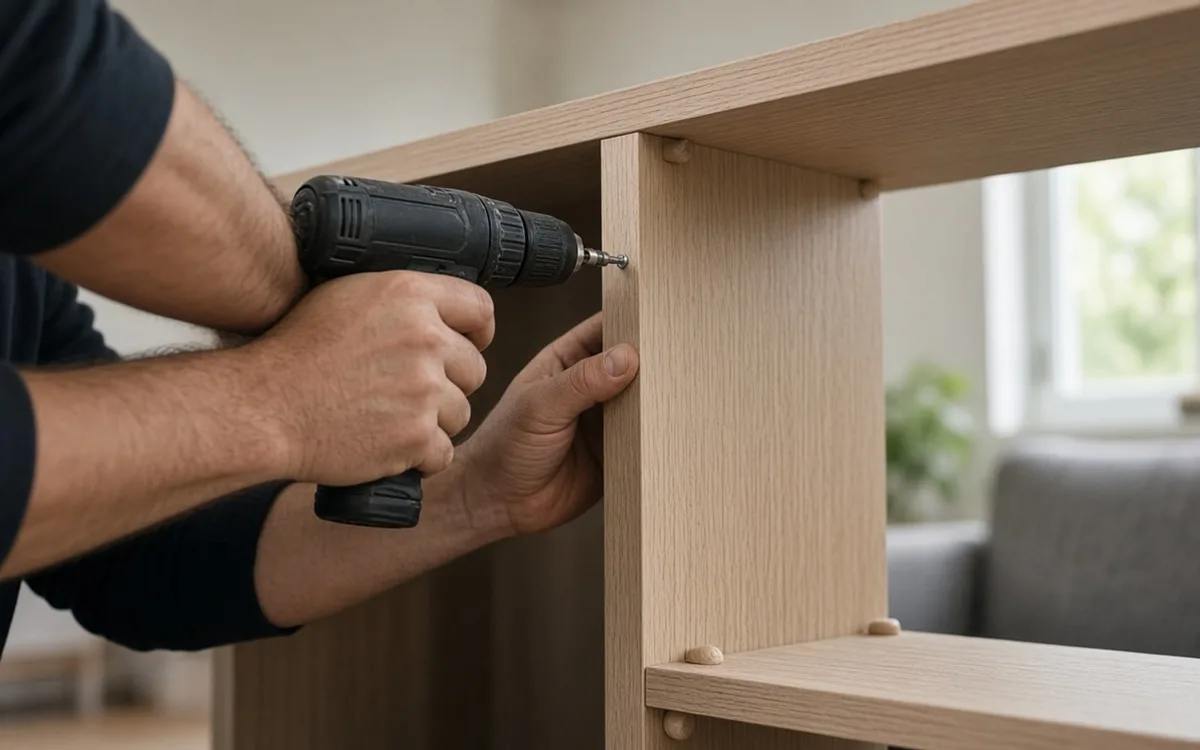
Assembly and mounting covers flat-pack furniture, TV and monitor mounts, floating shelves, mirrors, curtain hardware, and anti-tip anchoring for dressers and bookcases. It suits homeowners who know the product model and the wall type. Published data puts assembly at $50 to $550 by piece size and TV mounting labor at roughly $150 to $400. Sharing the instructions and a photo of the wall lets a pro price it fixed.
Assembly and mounting look like the simplest handyman work, and often are, but the price and the difficulty are set by two things you can find out before anyone arrives: what the manufacturer's instructions say, and what the wall is made of. HomeGuide reports professional assembly at $50–$550 depending on piece size, and TV mounting labor at $150 to $400 with a $275 national average, with brick, above-fireplace placement, and in-wall wire concealment as the usual extras.
This page explains how to give a pro the details that make the job fixed-price, why anchors and load ratings matter more than they seem, where the common failures happen (a hollow wall, a missing part, a tip-over restraint skipped), and how assembly and mounting fit into a bundled visit alongside the general repairs most households also need.
Want the numbers only? Read the furniture assembly & mounting cost guide for 2026 ranges, what moves the price, and sample budgets.
| Item | Low | High | Unit | Notes |
|---|---|---|---|---|
| Small furniture assembly (chair, bookshelf) | $50 | $150 | per piece | HomeGuide 2025 |
| Large furniture assembly (dresser, desk) | $100 | $550 | per piece | HomeGuide 2025 |
| Extra-large assembly (wardrobe, bunk bed) | $350 | $1,000 | per piece | HomeGuide 2025 |
| IKEA add-on assembly | $50 | $450 | per piece | HomeGuide 2025 |
| TV mount installation, labor only | $150 | $400 | per TV | HomeGuide 2025; $275 national average |
| TV mounting, typical total spend | $150 | $347 | per TV | HomeAdvisor 2026; $248 average |
| TV mount hardware | $15 | $500 | per mount | HomeGuide 2025; buy yourself if chosen |
| Outlet added behind TV | $210 | $210 | per outlet | HomeAdvisor 2026; electrician in most areas |
Anyone whose time is worth more than the assembly takes, anyone mounting something heavy or expensive, and anyone without the tools. A large wardrobe or a bed with drawers is several hours with two people; a pro with a driver and the right bits does it in a fraction of the time. A 75-inch TV on a hollow wall is a job where a mistake is expensive and possibly dangerous, and a pro who finds studs and uses the right anchors is cheap insurance.
It is a poor use of money for a small piece you could assemble in twenty minutes, unless it rides along with other items. HomeGuide's IKEA add-on assembly figures of $50 to $450 make sense inside a bundled visit; as a standalone call against Fixr's most common $130 minimum, a nightstand does not. HomeGuide's broader bands run $50–$550 by piece size, and the large dressers and desks at the top of that range are where paying a pro makes sense. The services hub explains how mixed lists get priced.
Piece size and part count. HomeGuide's bands are $50 to $150 for a small chair or bookshelf, $100 to $550 for a large dresser or desk, and $350 to $1,000 for extra-large items such as wardrobes with sliding doors or bunk beds. By the hour, HomeAdvisor's $60–$125 per hour range applies; a competent pro assembles a mid-size dresser in about an hour. Complexity multiplies time: drawers, doors, glass, and anything needing wall anchoring add steps.
The hidden driver is completeness. A missing cam lock or a stripped pre-drilled hole stops the job or forces improvisation. Open the box, check the parts against the list, and report anything missing before booking. A pro who arrives to a box with a missing hardware bag can either wait, improvise, or leave, and all three cost you.
| Item | Published range | Typical time | Source |
|---|---|---|---|
| Small chair or bookshelf | $50–$150 | 30–60 min | HomeGuide 2025 |
| Large dresser or desk | $100–$550 | 1–3 hrs | HomeGuide 2025 |
| Extra-large wardrobe or bunk bed | $350–$1,000 | 3–6 hrs | HomeGuide 2025 |
| TV mount, labor only | $150–$400 | 1–2 hrs | HomeGuide 2025 |
| TV mounted, typical spend | $150–$347 | 1–2 hrs | HomeAdvisor 2026 |
| Outlet added behind TV | About $210 | Electrician | HomeAdvisor 2026 |
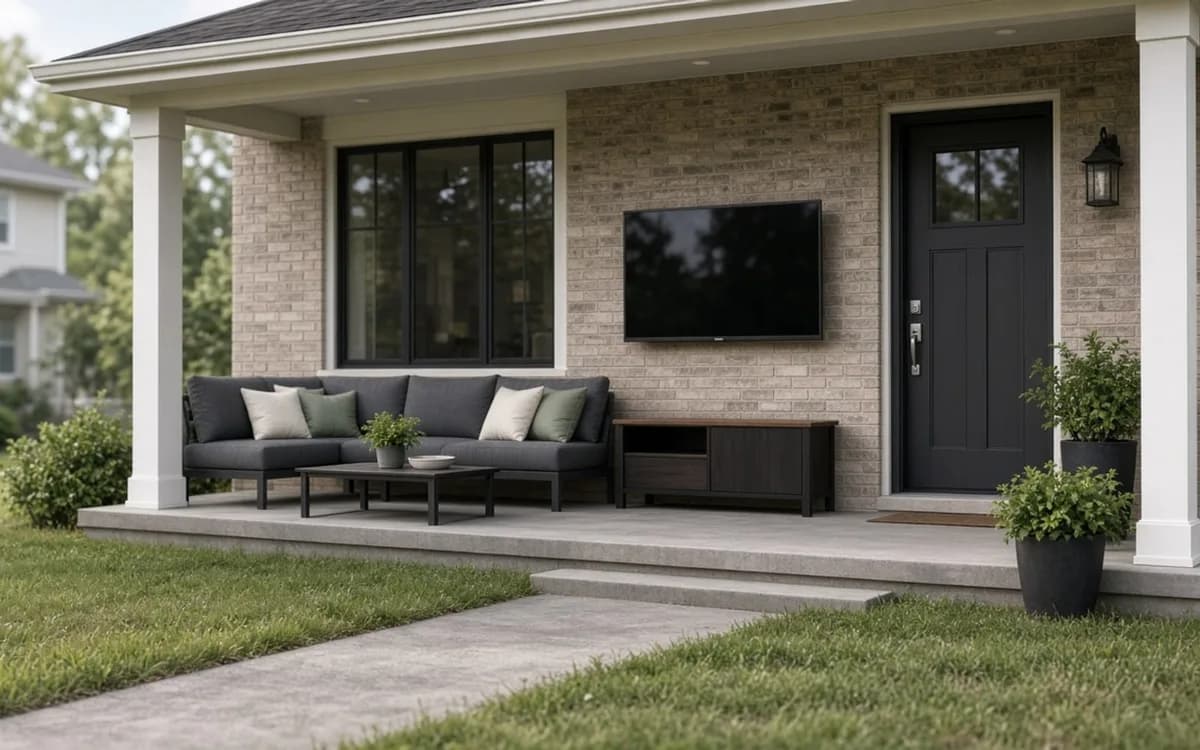
The wall. Drywall over wood studs at 16 inches is the easy case: locate studs, lag into them, done. Brick, concrete, and stone need masonry anchors and a hammer drill, which HomeGuide lists as an extra. Metal studs need toggle anchors rated for the load. Plaster and lath crumbles and hides studs. Above a fireplace adds heat concerns and often a masonry surface. And in-wall wire concealment needs a low-voltage bracket and a nearby outlet, which is where HomeAdvisor's roughly $210 outlet add-on and an electrician enter the picture.
HomeAdvisor reports most homeowners spend $248 on average to have a TV mounted, and Angi's 2026 table lists $300–$400. The difference between those figures and the low end is almost entirely wall type and wire management. Send a photo of the wall, say whether it is drywall or masonry, and say whether you want the cables hidden. Those three details produce a fixed price.
Mount selection matters too. A full-motion arm puts far more leverage on the anchors than a fixed mount, and its weight rating has to cover the TV with margin. Buy the mount yourself if you have chosen it, or ask the pro to recommend one; the mount runs $15 to $500 per HomeGuide and is not something to save on for a large screen.
Because the failure is sudden. A floating shelf on plastic anchors holds until someone sets books on it. A dresser without a tip-over restraint stands until a child climbs the drawers. Furniture makers now ship restraints with most tall pieces, and the U.S. federal STURDY standard for clothing storage units took effect in 2023; the restraint only works if it is installed into a stud or a rated anchor, which is exactly the step that gets skipped.
Ask the pro how they will anchor each item and what the anchor is rated for. "Into studs with 2.5-inch lags" or "snap toggles rated 50 pounds each in drywall" are good answers. "Drywall anchors" is not, because that phrase covers everything from a plastic plug rated for a picture frame to a toggle rated for a cabinet. Hippo's finding that 58% of DIYers overspent because of mistakes includes a lot of pulled-out anchors and patched walls.
The product model and a link to the instructions, a photo of the wall or floor where it goes, the wall type if you know it, the TV size and weight for mounts, and any parts you already have. For furniture, confirm the box is complete and say whether it is already in the room; carrying a wardrobe upstairs is a separate task with a separate price. For mirrors and art, give the weight and the hanging hardware on the back.
Say what else is on the list. Assembly and mounting bundle well with the drywall patching that often accompanies moving a TV or removing old shelving, and with the fixture swaps on the plumbing and electrical page. A pro who knows the full afternoon can sequence it: patch first so it dries while assembling.
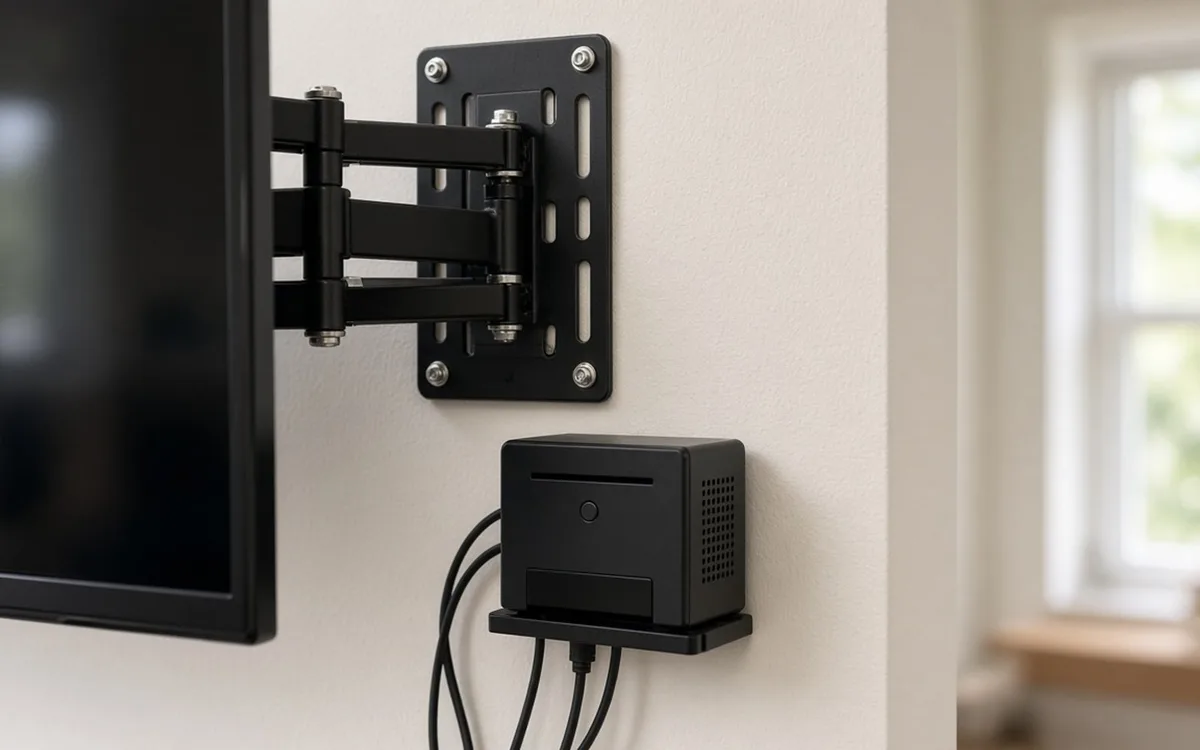
Missing parts, wrong anchors, mounts on a single stud when two were needed, a TV centered on the wall instead of the seating, cables visible after the homeowner assumed concealment was included, and old holes left unpatched after a mount is moved. Most are prevented by the detail list on this page and by stating whether concealment and patching are included in the price.
The quieter failure is furniture assembled slightly wrong: a drawer that binds, a door that does not align, a back panel nailed on before the frame was squared. Ask the pro to demonstrate drawers and doors before leaving and to leave the leftover hardware and the instructions with you.
Wall construction does. Older Northeast and Midwest housing has more plaster and lath; Southwest and Florida homes have more concrete block and steel framing; newer suburban homes are mostly drywall over wood studs at 16 inches. Each changes anchor type and time. Our analysis of EIA 2024 survey data shows 62.4% of homes still have mostly original windows, a rough proxy for how much original construction a pro will encounter behind the drywall. The locations page notes regional construction patterns.
Seismic regions add a reason to anchor everything tall, and some California jurisdictions require anchoring of water heaters and recommend it for furniture. Coastal humidity accelerates rust on cheap anchors and brackets; ask for coated or stainless hardware for bathrooms and exterior-wall mounts.
Check what is included: stud finding, anchors, level, cable concealment, patching of old holes, hauling boxes away, and tip-over restraints. A $200 quote that includes all of that beats a $150 one that includes none. Compare against HomeGuide's $275 average TV mount labor and $50 to $550 assembly bands to see which is out of line. The calculator prices the visit by the hour with the material and access add-ons that usually apply.
Homeowner polls
No votes yet. Yours will be the first. · saved on this device
Angi reports a 10–30% markup when the pro sources materials.
No votes yet. Yours will be the first. · saved on this device
Hippo found 58% of DIYers spent more than planned because of mistakes.
No votes yet. Yours will be the first. · saved on this device
 Service guideGeneral Home Repairs
General home repairs are the grouped small tasks that keep a house working: sticking doors, loose handrails, failed caulk, cracked trim, wobbly fixtures, weatherstripping, and minor carpentry.
 Service guidePainting & Drywall
Painting and drywall work through a handyman covers holes, cracks, water-stained sections, corner bead damage, texture matching, and repainting a wall or room once the cause of the damage is handled.
Sometimes. Rated toggle anchors in drywall can hold a mid-size TV on a fixed mount, but a full-motion arm or a large screen needs studs or a mounting plate that spans to them. A pro may recommend shifting the TV a few inches to hit a stud, or adding a plywood backer that catches two studs and then mounting to it. Say the TV size and the wall type in the request.
Only if you ask and the wall allows it. Concealment needs a low-voltage bracket, a fish tape, and a path free of fire blocking; HomeGuide lists it as an extra. A power outlet behind the TV is electrical work that usually needs an electrician, about $210 per HomeAdvisor. A cord cover on the wall surface is the cheap alternative and takes ten minutes.
Generally yes; the process is similar across flat-pack brands. Send the instructions or a link so the pro can see the part count and any unusual steps. Some pros decline certain items, such as bunk beds or large sliding-door wardrobes, unless a second person is available. Ask in advance whether a helper is needed and whether that changes the price.
The pro cannot conjure a cam lock, so check the box before the visit. If something is missing on the day, the pro will usually do what can be done and leave the rest, and you will pay for the time. Manufacturers replace missing hardware free but slowly. Ask whether the pro carries common cam locks and dowels; many do, which can save the return trip.
Yes. Tip-over incidents injure children every year, and federal stability rules for clothing storage now apply to new units. The restraint kit in the box is only useful once it is screwed into a stud or a rated anchor. Ask the pro to install restraints on every tall piece, including ones that were assembled before, while they are there with the tools out.
Only if the bracket is into studs or heavy-duty anchors and the shelf is rated for the load. Many decorative floating shelves are rated for a few pounds. Tell the pro what will go on each shelf; they will choose anchors accordingly or tell you the shelf is not suitable. Books are heavy: a foot of hardcovers weighs roughly 20 pounds.
It falls under hourly work, typically 20 to 40 minutes each inside a bundled visit at the $60 to $125 hourly rates HomeAdvisor reports. Very large mirrors need two people and rated hangers. Give the weight, the hanging hardware, and the wall type; a pro can then bring the right hangers and quote a fixed price.
Usually the cardboard and foam from a piece or two, sometimes for a small fee. A whole bedroom set generates a car-load of packaging, and that may need a separate haul or your recycling pickup. Ask when booking. Flattening boxes yourself before the visit saves the pro time you would otherwise pay for.
 Free toolHandyman cost calculator: price the visit by the hour
Size, material tier and complexity in, a realistic budget range out.
 Free toolWho should do the job? Handyman comparisons with sourced numbers
Side-by-side tables for the decisions that change the price most.
 Free toolHow well do you understand handyman pricing and scope?
10 questions that show what you already know and what to check next.
 Free toolPolls: how other homeowners handle the repair list
See what other planners chose and add your vote.
Tell us the size, the condition of what is there now, and what you want to change. Home Repair Scopebook passes your request to independent local professionals, who reply with written, no-obligation estimates. The service is free to use.