What is the largest category on your current repair list?
Today's Homeowner found 82% of homeowners have at least one outstanding repair.
No votes yet. Yours will be the first. · saved on this device
Loading...
Home Repair Scopebook · Service guide
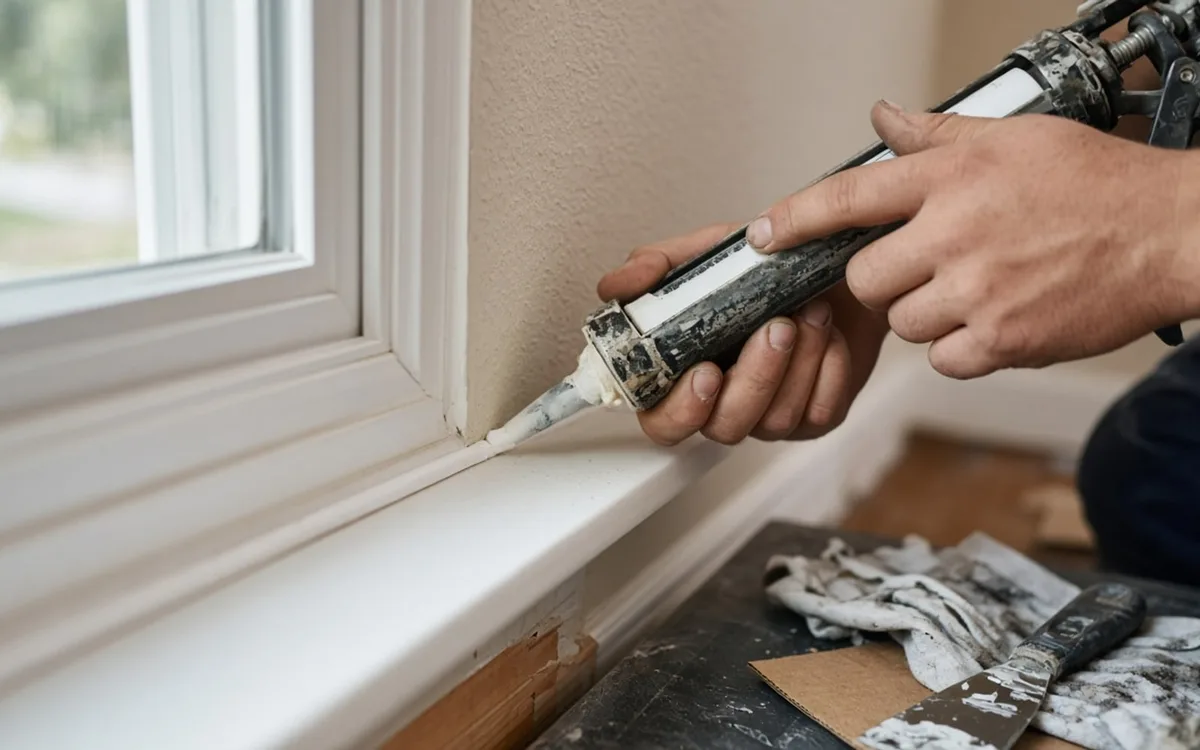
General home repairs are the grouped small tasks that keep a house working: sticking doors, loose handrails, failed caulk, cracked trim, wobbly fixtures, weatherstripping, and minor carpentry. This service suits a homeowner with a prioritized list and photos who wants one productive visit. Published 2026 data puts the average visit near $400, and a well-prepared list is what keeps it there.
A general repair visit is the core of what handymen do and the scope where preparation pays off most. Angi's 2026 guide puts the average handyman project at $406 across more than a hundred thousand verified jobs, and the spread from $164 to $648 is mostly explained by how many tasks got done in the visit and how much of the pro's time went to diagnosis, shopping, and waiting.
This page is about controlling that spread. It covers how to write the list, which tasks are cheap and which are deceptive, how the pricing models compare, and what should happen when the pro finds something you did not know about. If your list is heavy on wall damage, painting, fixtures, or assembly, the services hub points you to the dedicated pages; this one handles the mixed list that most households actually have.
Throughout, the numbers come from published cost guides and surveys, not from anyone's sales pitch. The calculator uses the same benchmarks to price your list by the hour.
Want the numbers only? Read the general home repairs cost guide for 2026 ranges, what moves the price, and sample budgets.
| Item | Low | High | Unit | Notes |
|---|---|---|---|---|
| Hourly labor, standard hours | $60 | $125 | per hour | HomeAdvisor 2026; Thumbtack national average $60–$75 |
| Minimum visit charge | $75 | $200 | flat | Fixr most common $130; may be a higher first hour |
| Half-day bundle (2–5 hours) | $316 | $428 | flat | Thumbtack 2026 multi-project visits |
| Full-day visit | $701 | $1,105 | flat | Thumbtack 2026 complex full-day jobs |
| Wall hole repair | $125 | $175 | per repair | Fixr 2025 standalone |
| Door, window, or fence repair | $125 | $200 | per repair | Fixr 2025 standalone |
| Material pickup trip fee | $30 | $80 | flat | HomeGuide 2026 |
| Emergency or after-hours labor | $90 | $200 | per hour | Fixr 2025 |
Anyone with three or more small, clearly describable tasks. Today's Homeowner's 2025 survey found 82% of homeowners have at least one outstanding repair and 45% have one or two; the households with four or more are the ones for whom a bundled visit is an obvious win. A single task rarely justifies the minimum charge on its own, and Fixr reports the most common minimum at $130.
It also suits people who have been deferring for reasons of not knowing who to call. Hippo's Housepower Report found 83% of homeowners faced unexpected repairs in 2024, and Today's Homeowner found 21% plan to put repairs on a credit card. A grouped visit converts a vague sense of things being wrong into a finite list with a price, which is often the relief people are actually looking for.
It does not suit a list dominated by one large job. If eight of your ten items take five minutes and the ninth is repainting the living room, quote the room separately through the painting and drywall page and let the small items ride along.
Published task prices cluster tightly. Fixr's 2025 repair table lists wall hole repair at $125 to $175, door, window, or fence repair at $125 to $200, and tile and grout work at $200 to $400. HomeAdvisor's 2026 per-task list runs from $65–$300. Angi's 2026 table puts a drywall patch at $120 to $350 and a faucet replacement at $100 to $300. These are single-task prices that include the visit overhead; bundled, each item costs less.
By the hour, HomeAdvisor reports $60 to $125 before materials, Thumbtack $60 to $75 nationally with a $100 to $125 high end, and Fixr a most-common $65. Against those rates, a fifteen-minute door adjustment costs $15 to $30 of labor inside a bundled visit versus $130 or more as a standalone minimum call. That is the whole argument for the list.
| Task | Published range | Typical time in a bundle | Source |
|---|---|---|---|
| Door adjustment or re-hang | $125–$200 standalone | 15–45 min | Fixr 2025 |
| Small wall hole patch | $125–$175 | 30 min plus dry time | Fixr 2025 |
| Faucet replacement | $100–$300 | 45–90 min | Angi 2026 |
| Hall light fixture | $65 | 20–40 min | HomeAdvisor 2026 |
| Tile and grout repair | $200–$400; $440 average | 1–3 hrs | Fixr 2025; HomeAdvisor 2026 |
| Caulk tub or window | Often hourly | 20–40 min each | HomeAdvisor hourly range |
| Weatherstripping | $265 average; about $95 per exterior door | 20–40 min per door | HomeAdvisor 2026 |
| Cabinet repair (hinges, doors, drawers) | $300 average | 30–90 min | HomeAdvisor 2026 |
| Bath fan installation | $375 average | 1–3 hrs; new wiring goes to an electrician | HomeAdvisor 2026 |
| Childproofing installation | $420 average | 2–4 hrs for a whole house | HomeAdvisor 2026 |
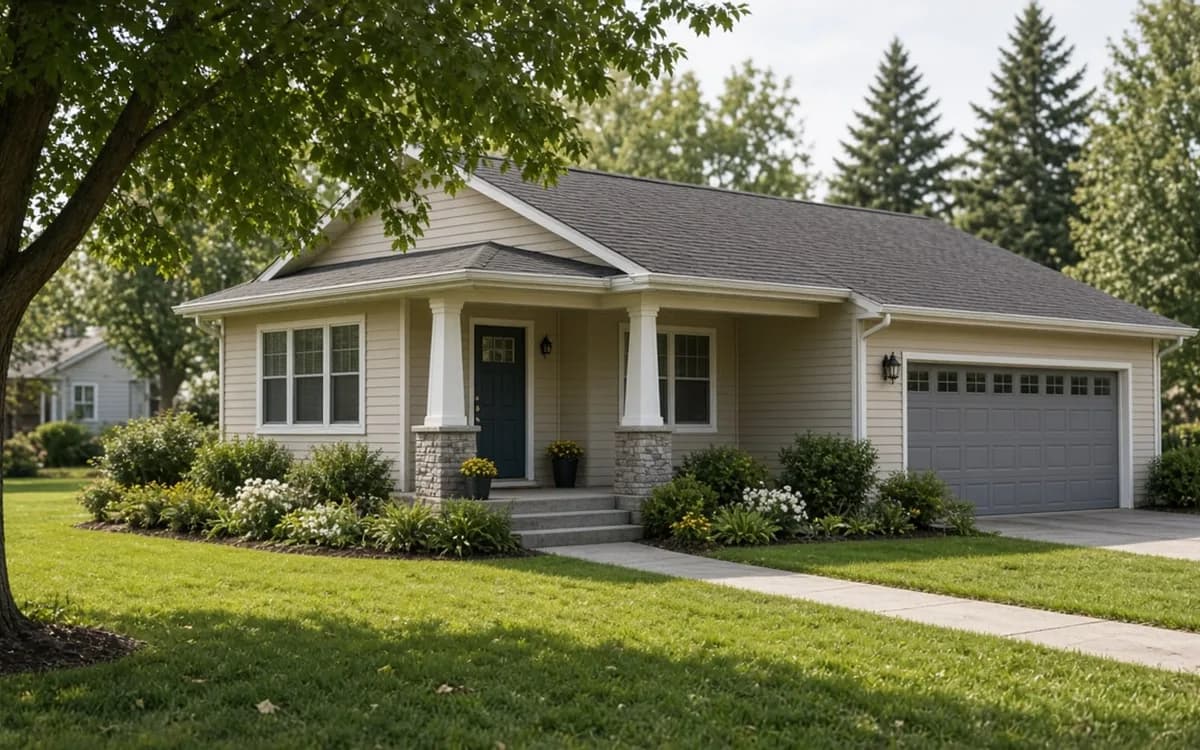
Hourly suits a mixed list with a few uncertain items, because the pro cannot fix-price what they cannot see. Per-task suits a list of defined jobs with photos and parts on hand, because you get certainty and the pro takes the efficiency risk. A day rate suits a long list; Thumbtack reports full-day projects at $701–$1,105 and half days of two to five hours at $316 to $428.
The best written estimates mix models: fixed prices on the defined items, an hourly rate with a cap on the uncertain ones, and a stated minimum. Ask for it that way. A pro who refuses to fix-price anything, even a photographed door adjustment, is asking you to carry all the risk. A pro who fix-prices a mystery leak is guessing, and guesses get revised on site.
Watch for a higher first-hour rate. HomeGuide notes minimums of $75–$200 are often structured this way rather than as a separate line. It is legitimate, but it changes the arithmetic for a short visit, and you should know which structure you are comparing.
Room by room, symptom first, priority marked. "Bathroom door will not latch; strike plate looks worn; photo attached; medium priority" gives the pro everything needed to bring a strike plate and price the task fixed. "Fix bathroom door" gives them nothing. Add the model number for anything being replaced, note which parts you already have, and flag anything urgent such as an active leak or a loose handrail on stairs.
Then sort into three groups: routine (do without discussion), uncertain (diagnose first, then tell me), and possibly regulated (confirm you can do this under local rules). The plumbing and electrical page explains why that third group matters. Sending all three groups labeled saves an exchange of messages and shows the pro you understand the boundaries, which tends to produce a more careful estimate.
Finally, state a cap for extra work. "You may proceed with unlisted items up to $75 without calling; above that, call first." That single sentence prevents most invoice disputes.
The most common failure is the unproductive first hour: parts not there, room not cleared, priorities unclear. The second is the recurring cosmetic repair, where a door that sticks every August or a crack that reopens every spring gets fixed for the third time without anyone asking why. The third is the invisible scope creep where a loose toilet becomes a rotten subfloor and the pro either stops (leaving you with a bathroom out of service) or proceeds (leaving you with an invoice you did not approve).
All three are prevented by the list and the cap. Hippo's 2025 Housepower report found 83% of homeowners faced unexpected repairs in 2024, nearly double the prior year, so surprises are the normal case. The written estimate should say what happens when one appears.
A quieter failure is the task done adequately but not well: a patch that shows under raking light, caulk applied over old caulk, a fixture hung without a proper box. Ask how the pro handles prep and what they consider finished. The reviews page shows how to read other homeowners' comments for exactly these details.
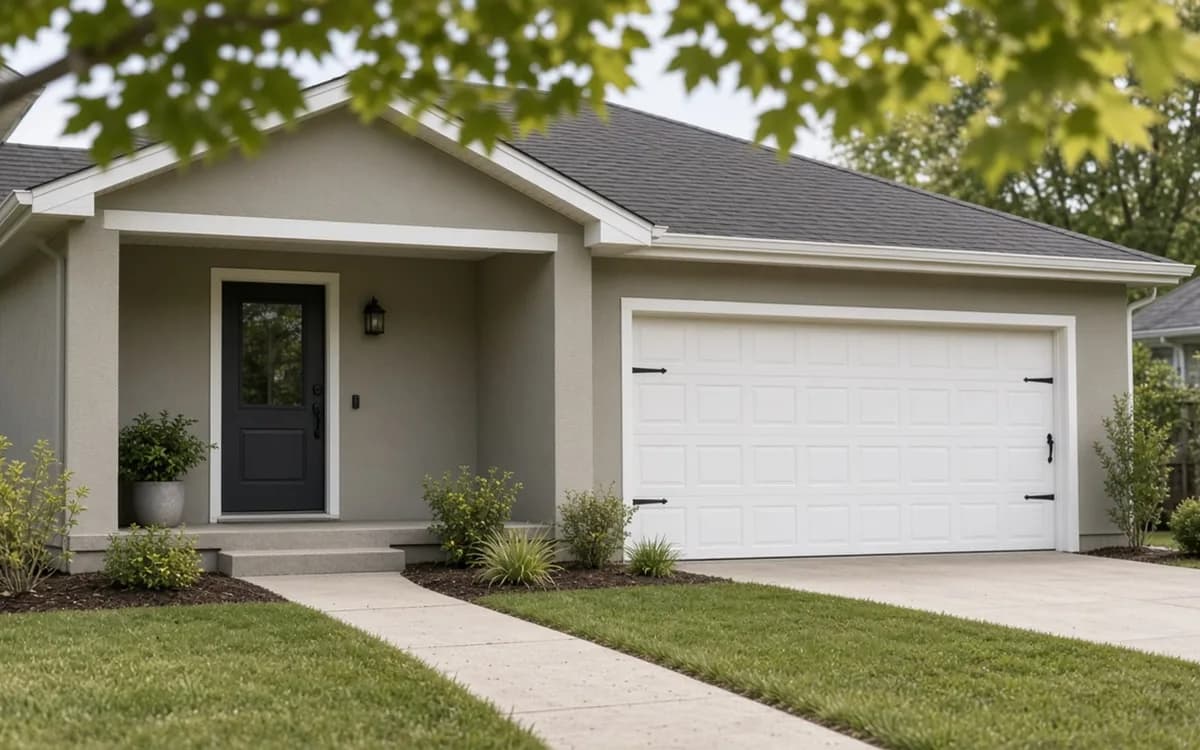
Schedule the visit rather than reacting. Two bundled visits a year, one in spring for exterior caulk, screens, gutters, and door sweeps, and one in fall for weatherstripping, furnace filter access, and interior items, catch most small failures before they become large ones. Angi's State of Home Spending report shows households spent $2,041 on maintenance in 2025 plus $1,143 on emergency repairs; the second number is the one scheduling reduces.
Keep the list running between visits. A note on the phone with a photo each time something fails means the next visit is planned in minutes. Ask the pro at each visit what they noticed that was not on the list; they see the house differently and often spot the next failure early.
Yes, mostly in the weatherproofing items. Our analysis of the EIA's 2024 household survey found drafts most or all of the time in 17.2% of Northeast homes versus 11.3% in the South, and frequent drafts in owner-occupied homes built before 1990 at more than double the rate of newer ones, a 6.5 pts gap. Single-pane windows remain in 33.1% of homes nationally. Northern lists lean toward weatherstripping, storm panels, and attic hatch seals; southern lists lean toward exterior caulk, screen repair, and humidity-related door swelling. Coastal lists add corrosion: hinges, exterior fasteners, and fixtures that fail early.
Rates vary too. Thumbtack's high end of $100 to $125 an hour reflects large coastal metros; the $45 to $50 low end reflects smaller markets. The locations page covers regional rate and licensing differences in more detail.
Total both for the identical list, including minimums and trip fees, then compare what each declined and why. A proposal that declines two items with reasons is more trustworthy than one that accepts everything without comment. Check the material arrangement against Angi's 10–30% markup benchmark. Check insurance. Then weigh responsiveness, since a pro who answered your request in a day with specific questions will probably run the visit the same way.
If the totals differ by more than about 30% for the same list, one of them has misunderstood the scope. Ask both to walk you through their time estimate per item. The mismatch usually surfaces in one line, and that conversation tells you which pro was paying attention.
Home Repair Scopebook ran these numbers on the federal government's own household data. You won't find them in a contractor's brochure.
Home Repair Scopebook analysis · 2024
95% interval 11.3%–13.3% · about 6.6 million homes · 7,124 survey households
95% interval 5.0%–6.6% · about 2.1 million homes · 4,841 survey households
Difference: 6.5 percentage points (95% interval 5.4 to 7.6).
Homes built before 1990 report frequent drafts about twice as often as newer ones. Air sealing is usually the cheapest first fix in an older house, before windows or new equipment.
Source: Home Repair Scopebook analysis of 2024 federal household survey data from the U.S. Energy Information Administration. How we calculated it
Homeowner polls
Today's Homeowner found 82% of homeowners have at least one outstanding repair.
No votes yet. Yours will be the first. · saved on this device
No votes yet. Yours will be the first. · saved on this device
Fixr finds $130 is the most common handyman minimum charge per visit.
No votes yet. Yours will be the first. · saved on this device
 Service guidePainting & Drywall
Painting and drywall work through a handyman covers holes, cracks, water-stained sections, corner bead damage, texture matching, and repainting a wall or room once the cause of the damage is handled.
 Service guidePlumbing & Electrical
This scope covers minor plumbing and electrical symptoms a homeowner notices first: a dripping faucet, a running toilet, a slow drain, a dead outlet, a wobbling ceiling fan, a light fixture swap.
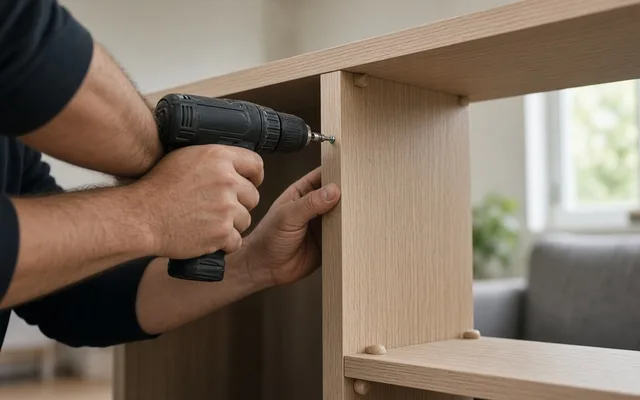 Service guideFurniture Assembly & Mounting
Assembly and mounting covers flat-pack furniture, TV and monitor mounts, floating shelves, mirrors, curtain hardware, and anti-tip anchoring for dressers and bookcases.
Typically five to eight routine items if parts are on hand and rooms are clear. Thumbtack's two-to-five-hour multi-project visits at $316 to $428 are built around lists like that. Diagnosis items count double because the pro has to find the cause first. If your list runs past ten items or includes anything with drying time (patching, caulk, paint), plan for a full day or a return visit.
Small items usually go with the pro at no charge or a nominal fee; a removed faucet or a broken shelf is not a problem. Bulky items (an old vanity, a door, a stack of drywall scraps) may carry a disposal charge or need a separate hauling arrangement. Ask in the request so the estimate includes it. Many pros will not transport anything that needs special disposal, such as paint cans or old ballasts.
For the first visit with a new pro, yes, at least at the start and end, so you can walk the list and inspect the work. For repeat visits many homeowners provide access and review by photo. If you cannot be home, leave the printed list, mark priorities, and confirm the approval cap in writing so the pro knows what to do when a surprise appears.
HomeGuide reports $30 to $80 when the pro has to leave to buy materials and $0.30 to $0.60 per mile outside a normal service area. A trip fee for the initial visit itself is less common in metro areas and more common in rural ones. Avoid the material trip entirely by buying the specified parts in advance; that is the fee most under your control.
Squeaks from above (screwing subfloor to joists through carpet or from below in a basement) are routine. Squeaks that need the floor opened are not. A sagging closet shelf is a fifteen-minute cleat-and-bracket fix; a sagging built-in bookcase may need the wall behind it checked. Describe the symptom and include a photo, and the pro will tell you which version you have.
One to three weeks for a non-urgent bundled visit in most markets, longer in spring and early summer. BLS projects steady 4% growth in maintenance and repair jobs through 2035 with roughly 148,700 openings a year, and good pros stay booked. Urgent items (an active leak, a door that will not lock) can usually be squeezed in sooner at a higher rate. Keep the list running so the visit can be scheduled ahead.
No, and good pros expect it. Send the same written list and photos to each so the quotes are comparable, and tell them you are comparing. Two or three quotes is plenty; more than that and you are spending more time comparing than the visit would cost. Once you find a pro you trust, most homeowners stop comparing and keep the relationship, which is worth more than a few dollars per visit.
On an hourly estimate you pay for time used, subject to the minimum. On a fixed-price estimate you pay the agreed price regardless. On a day rate, ask in advance whether an early finish reduces the bill or whether you can add items from your running list to use the time. The last option is usually the smartest: keep a few low-priority extras ready for exactly this situation.
 Free toolHandyman cost calculator: price the visit by the hour
Size, material tier and complexity in, a realistic budget range out.
 Free toolWho should do the job? Handyman comparisons with sourced numbers
Side-by-side tables for the decisions that change the price most.
 Free toolHow well do you understand handyman pricing and scope?
10 questions that show what you already know and what to check next.
 Free toolPolls: how other homeowners handle the repair list
See what other planners chose and add your vote.
Tell us the size, the condition of what is there now, and what you want to change. Home Repair Scopebook passes your request to independent local professionals, who reply with written, no-obligation estimates. The service is free to use.