What most often surprised you on a handyman invoice?
No votes yet. Yours will be the first. · saved on this device
Loading...

Home Repair Scopebook · Costs
In 2026 most U.S. handymen charge $60 to $125 an hour before materials, according to HomeAdvisor, with Fixr reporting $65 as the most common rate and $130 as the most common minimum. A one-or-two-task visit averages about $390 to $406, a half day of two to five hours runs roughly $316 to $428, and a full day $701 to $1,105. Materials markup, trip fees and after-hours work add more.
By Home Repair Scopebook editorial · Updated 2026-09-25
Handyman pricing looks chaotic because it is built from three separate parts that publishers report differently: a rate for time, a floor for small visits, and a margin on anything the pro buys. Once you can see those three parts in a quote, most of the variation between pros becomes explainable, and the quotes that are genuinely out of line stand out.
This guide sets the published 2026 figures side by side by scope, explains what moves a price up or down, separates labor from materials, and shows how to read a bid line by line. The figures come from Angi, HomeAdvisor, Fixr, HomeGuide and Thumbtack. For your own numbers, the handyman cost calculator applies the same logic to your hours and add-ons.
HomeAdvisor's 2026 price list gives $60–$125 per hour before materials. Thumbtack's marketplace data centers lower, on $60–$75 per hour, with $45 to $50 at the low end and $100 to $125 at the top. Fixr's most common rate is $65/hr within a $50 to $100 range. These are not contradictions: they describe different samples, and all three put a typical hour in the $60s and $70s.
Per-visit averages agree even more closely. Angi's 2026 guide reports $406 across more than 100,000 verified projects, with most homeowners paying $164 to $648. HomeAdvisor reports $390, and Fixr's project average is $300 with a $150 to $600 range. Each describes a one-or-two-task visit, so a longer list will land above them.
Scope, meaning how many hours the list fills, is the biggest single driver of the total. Short visits are dominated by the minimum; long visits are dominated by the hourly rate and trend toward a day rate. The table on this page collects the published bands by visit length, which is the most useful way to budget a list before any pro has seen it.
Use the band that matches your estimated hours rather than adding up single-task prices. Single-task prices from Angi, HomeAdvisor and Fixr each include a full visit's overhead, so summing them overstates what the same tasks cost inside one bundled visit. The general repairs cost guide explains how to estimate hours per task.
| Visit scope | Published 2026 range | Source |
|---|---|---|
| Minimum charge (any short visit) | $75 to $200; $130 most common | HomeGuide; Fixr |
| Simple task, under two hours | $178 to $220 | Thumbtack |
| Half day, two to five hours | $316 to $428 | Thumbtack |
| Full day | $701 to $1,105 | Thumbtack |
| Emergency or after-hours hour | $90 to $200 per hour | Fixr |
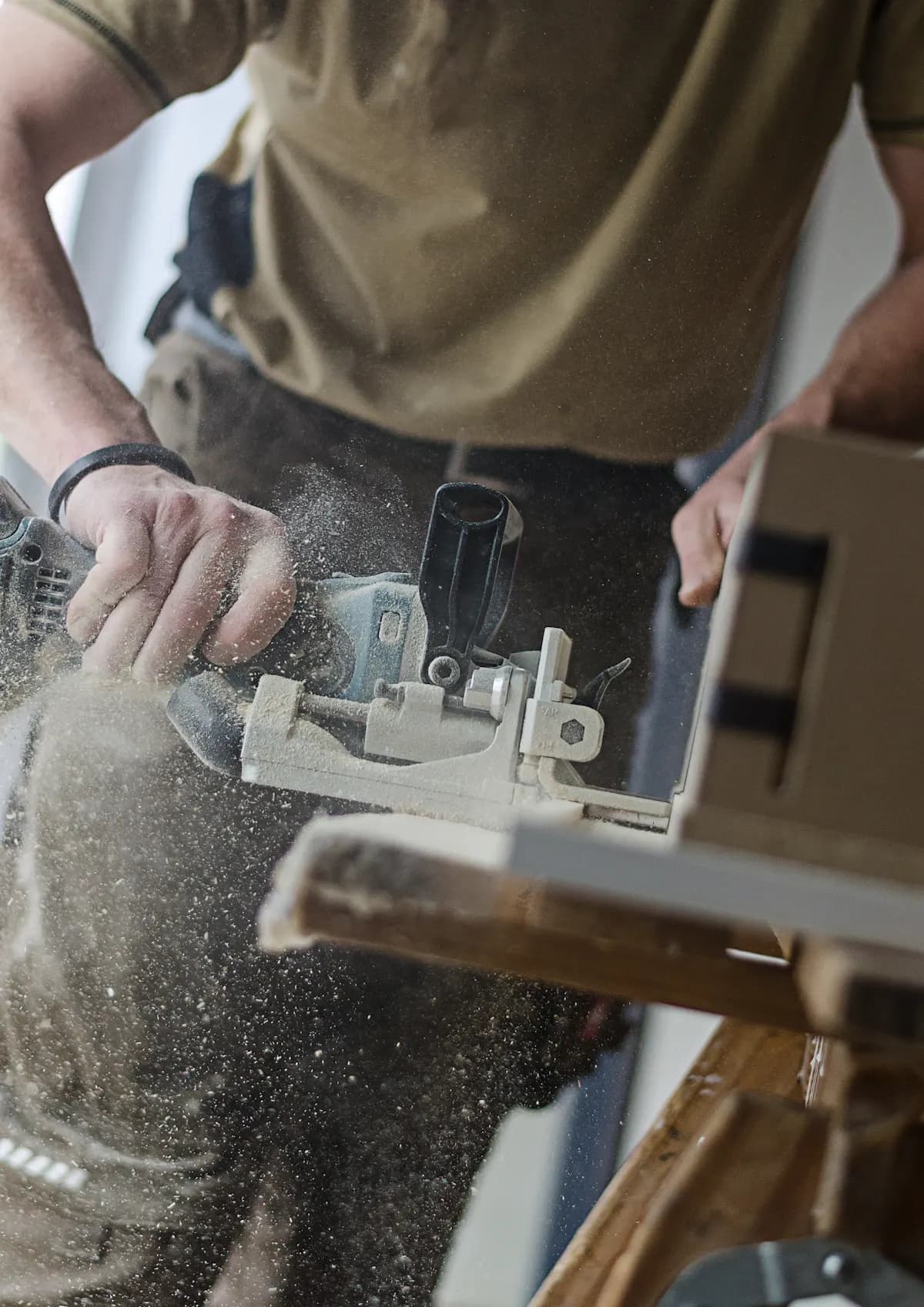
For single tasks, HomeAdvisor's 2026 list runs $65–$300, from about $65 for a hall light to $300 for a kitchen sink, with a bathroom faucet near $90 and a toilet or disposal near $150. Angi's table puts a drywall patch at $120–$350 and TV mounting at $300–$400. Fixr lists a wall hole at $125 to $175, door, window or fence repair at $125 to $200, and tile and grout at $200 to $400.
Larger single items have their own guides. HomeAdvisor puts ceiling fan installation at an average of $253 and drywall repair of all kinds at $612. HomeGuide puts professional furniture assembly at $50–$550 by piece size and painting one room, walls only, at $300–$1,000. These are useful sanity checks when a pro quotes per task.
Thumbtack groups its 2026 marketplace prices by type of job instead of by task, which is closer to how a mixed list gets quoted. A repair job runs $208–$452 nationally; the Thumbtack job-type table in this section gives the other five bands. Painting, flooring and tiling cost two to three times as much as assembly because they fill more hours, not because the rate changes.
| Type of job | Thumbtack 2026 national range |
|---|---|
| Assembly | $187–$365 |
| Installation | $193–$397 |
| Repairs | $208–$452 |
| Painting | $398–$925 |
| Tiling | $413–$1,094 |
| Flooring | $424–$1,108 |
Prices rise with uncertainty and access. Diagnostic work with no known cause, older houses with plaster walls or seized valves, tall ceilings, masonry, and tasks that need a return trip for drying time all add hours. So does a list sent without photos, because the pro has to price for the worst case. After-hours work carries Fixr's $90 to $200 hourly premium, and short-notice bookings in busy seasons can command more.
Prices fall with preparation and volume. Bundling spreads one minimum across the list; Angi's 2025 pulse found 29% of homeowners who hired a pro did exactly that to save money. Supplying fixtures yourself, clearing access, grouping tasks by room and booking in a slower season all shorten the billable day. Flexible timing helps too: some pros price a fill-in slot between jobs more cheaply than a fixed appointment.
On most handyman lists, labor is the larger share, because the tasks are short and the materials are cheap: anchors, caulk, compound and fasteners rarely add more than a small amount to a visit. HomeAdvisor prices a small drywall fix at $20 to $120 all in, which leaves little room for materials. The exceptions are fixture-heavy lists, such as several faucets or light fixtures, where the product cost can equal or exceed the labor.
When the pro buys products for you, Angi reports a markup of 10–30% above retail, plus the time spent shopping. That is a fair charge for sourcing and returns, but it is avoidable on anything you can pick yourself. The labor rate itself is not as generous as it looks: the Bureau of Labor Statistics puts the median wage for general maintenance and repair workers at $49,590, and a self-employed pro's hourly rate has to cover insurance, vehicle, tools and unbilled time on top of that.
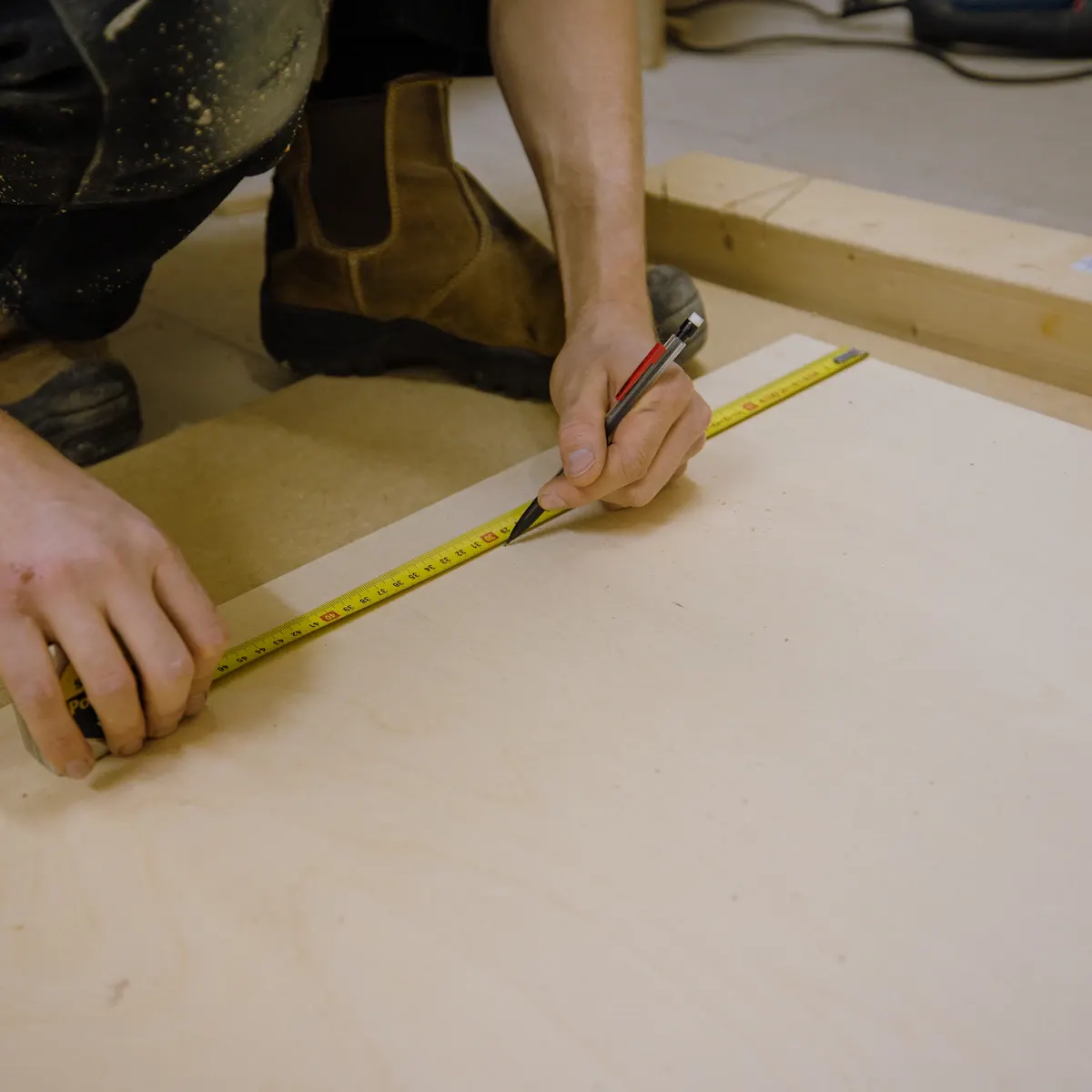
Thumbtack's spread is the clearest guide: roughly $45 to $50 an hour in small, lower-cost markets and $100 to $125 in expensive metros, around a national center in the $60s and $70s. That is a range of more than two to one for the same kind of work. Coastal metros, resort areas and fast-growing suburbs tend toward the top; rural areas and smaller cities toward the bottom, though rural visits may add mileage.
Who you hire moves the rate as much as where you live. Housecall Pro's 2026 guide puts self-employed handymen at $50 to $80 an hour and corporate or franchise handymen at $75–$125 per hour. The franchise premium pays for company overhead, standardized pricing, and vetting and insurance carried by the company; HomeAdvisor adds that corporate handymen cost the most and leave little room to negotiate. An experienced independent pro in a busy metro can still charge franchise rates.
HomeGuide reports mileage charges of $0.30 to $0.60 per mile for travel outside a pro's normal service area, which matters if you live at the edge of a metro. Regional climate also shifts what is on the list rather than what it costs per hour. Our analysis of EIA 2024 survey data found 17.2% of Northeast homes are drafty most or all of the time, so northern lists lean toward weatherstripping while southern lists lean toward moisture and caulk.
Most invoice surprises come from charges that were real but unstated. The common ones are listed below. None is unreasonable in itself; the problem is discovering them after the work. Ask for each to be named, with a price, in the written estimate, and check the poll on invoice surprises to see which ones other homeowners hit most often.
Surprises in the house are a separate category. A shutoff valve that will not close, a fan box that is not rated, rot behind a loose threshold, or a patch that reveals a larger water stain can each turn a fixed-price task into a re-scope. The approval cap in the estimate is what keeps those from becoming a dispute.
First, find the pricing basis: per task, hourly with an estimate of hours, or a day rate. Second, find the floor: the minimum charge and whether it is credited against the work. Third, find the materials line: who buys what, and at what markup. Fourth, find the surprise clause: the approval cap and the hourly rate for unlisted work. A bid missing any of these four is incomplete, not necessarily cheap.
Then compare like with like. Convert an hourly bid to a total using the pro's own hour estimate, add materials at the stated markup, and set it beside a fixed-price bid for the same list. The hourly versus fixed price comparison explains which structure suits which list. When two totals are close, choose the bid that answers more of your questions in writing; when they are far apart, ask each pro to explain their hours for the three largest items.
Homeowner polls
No votes yet. Yours will be the first. · saved on this device
No votes yet. Yours will be the first. · saved on this device
Angi reports a 10–30% markup when the pro sources materials.
No votes yet. Yours will be the first. · saved on this device
Mostly because of the minimum. HomeGuide reports that drywall contractors often carry minimum job fees of $350 to $650, which is why a small patch from one costs $300 to $500. A handyman's minimum is typically lower, and inside a bundled visit the patch shares that minimum with other tasks. For large or permitted work the comparison reverses, because a contractor's crew and equipment are more efficient.
Not by itself. Thumbtack's data shows most of the spread in hourly rates is explained by market, not skill. Within one market, a higher rate can reflect insurance, a stocked vehicle, faster work or specialized tools, any of which can make the total lower despite the rate. Compare the estimated total for your list and the completeness of the written estimate, not the hourly figure alone.
Within their normal service area, most fold travel into the minimum charge or the first hour rather than billing it separately. Outside it, HomeGuide reports mileage charges of $0.30 to $0.60 per mile. A mid-job store run is usually billed as a trip fee. Ask how travel is handled when you request the estimate, especially if you live at the edge of a metro or in a rural area.
Estimate hours per task, total them, and price the total at your market's hourly rate or a day rate, rather than budgeting a per-task price for each item. Thumbtack's half-day band of $316 to $428 for two to five hours shows that the per-task cost of a bundled list falls well below single-task prices. Add a contingency for the one or two items most likely to need extra time.
Household spending on maintenance is. Angi's State of Home Spending report found average maintenance spending of $2,041 in 2025, up from $1,750, and Harvard's Joint Center for Housing Studies found owner maintenance outlays up 61% since 2019. Published hourly rates in 2025 and 2026 guides remain in similar bands, so the rise is driven more by the number of repairs than by the rate.
For a short visit using your own parts, a deposit is uncommon and not necessary. For a longer list where the pro is buying fixtures or special-order materials, a deposit covering those materials is reasonable, provided the estimate lists what it pays for. Avoid paying the full labor amount before the work is done, and ask for a written receipt that references the estimate.
You can usually change the price more effectively by changing the scope than by haggling over the rate. Supplying parts, adding tasks to reach a half day, being flexible on timing or taking on the painting yourself all reduce the bill legitimately. If a quote is well above published ranges for your market, ask the pro to explain the hours on the largest items before asking for a discount.
Some small operators add a card processing fee, typically stated on the estimate or invoice. It is worth asking in advance. More broadly, Today's Homeowner found 21% of homeowners plan to finance repairs with a credit card, so if you carry a balance, the interest can outweigh anything saved by shopping around. Bundling and scheduling repairs before they worsen is the cheaper way to control the bill.
 Service guideGeneral Home Repairs
General home repairs are the grouped small tasks that keep a house working: sticking doors, loose handrails, failed caulk, cracked trim, wobbly fixtures, weatherstripping, and minor carpentry.
 Service guidePainting & Drywall
Painting and drywall work through a handyman covers holes, cracks, water-stained sections, corner bead damage, texture matching, and repainting a wall or room once the cause of the damage is handled.
 Service guidePlumbing & Electrical
This scope covers minor plumbing and electrical symptoms a homeowner notices first: a dripping faucet, a running toilet, a slow drain, a dead outlet, a wobbling ceiling fan, a light fixture swap.
 Service guideFurniture Assembly & Mounting
Assembly and mounting covers flat-pack furniture, TV and monitor mounts, floating shelves, mirrors, curtain hardware, and anti-tip anchoring for dressers and bookcases.
 PlanningHow to plan a handyman visit that clears the list in one trip
Plan a handyman visit in five steps: walk the house and write every small repair as its own line, sort the lines into handyman work, licensed-trade work and DIY, photograph and measure each item, decide who buys fixtures and parts, then send the list to two or three pros for written estimates with a stated minimum, a price basis and an approval cap for surprises.
 MaterialsThe materials that decide whether a handyman repair lasts
Most handyman repairs fail at the material, not the labor: a plastic anchor in drywall under a shelf, an unprimed patch that flashes through paint, a latex caulk in a wet corner, or a fan on a box not rated for it.
 PermitsPermits, licensing limits and codes for small home repairs
No, most handyman work needs no permit: painting, patching, assembly, mounting and like-for-like repairs are exempt under the model residential code.
 Free toolHandyman cost calculator: price the visit by the hour
Size, material tier and complexity in, a realistic budget range out.
 Free toolWho should do the job? Handyman comparisons with sourced numbers
Side-by-side tables for the decisions that change the price most.
 Free toolHow well do you understand handyman pricing and scope?
10 questions that show what you already know and what to check next.
 Free toolPolls: how other homeowners handle the repair list
See what other planners chose and add your vote.
Tell us the size, the condition of what is there now, and what you want to change. Home Repair Scopebook passes your request to independent local professionals, who reply with written, no-obligation estimates. The service is free to use.