Where is your DIY limit?
Hippo found 58% of DIYers spent more than planned because of mistakes.
No votes yet. Yours will be the first. · saved on this device
Loading...
Home Repair Scopebook · Do it yourself vs Hire a handyman
Do it yourself when the task is cheap, forgiving and needs tools you already own, such as assembly, caulking, a showerhead or a battery smoke alarm. Hire a handyman when a mistake ruins a finish, when a tool would be bought for one job, when the task involves height, water or wiring, or when your time is worth more than the fee. Hippo found 58% of DIYers overspent from errors.
The case for DIY is always money. Hippo's survey found 70% of homeowners cite saving money as their reason to do it themselves. The case against it is also money, just later: the same survey found most DIYers overspent because of mistakes, and many underestimated the time. The right answer changes task by task, not person by person.
This page works through the scenarios where each option wins, the real cost over time, the tasks that punish small errors, and how to split a mixed list so a handyman's minimum is well used. The handyman quiz is a quick way to test your assumptions before you start. Throughout, the aim is not to talk you out of DIY but to show where it pays.
DIY wins for cheap, forgiving tasks with tools you own. Hiring wins where a mistake ruins a finish, where a tool would be bought once, or where time matters. Hippo's survey found most DIYers overspend because of errors.
| Factor | Do it yourself | Hire a handyman |
|---|---|---|
| Cost for a small patch | $20–$120 materials (HomeAdvisor) | $125–$175 (Fixr) |
| Cost to paint one room | $150–$300 materials (HomeGuide) | $300–$1,000 (HomeGuide) |
| Overspend risk | 58% spent more than planned (Hippo) | Fixed price available with a good list |
| Time | 47% underestimated it (Hippo) | Half day for 5–8 items (Thumbtack) |
| Damage repair | 38% paid $500+ to fix DIY damage (Hippo) | Pro carries liability insurance |
| Tools | Bought once, stored forever | Included |
| Best for | Caulk, flappers, hardware, light hanging | Drywall finish, paint, electrical, mounting heavy items |
DIY wins for the tasks where materials are cheap, tools are common, and a bad result is easy to redo: caulking, a toilet flapper, cabinet hardware, a showerhead, hanging a picture on a stud. For those, the $130 minimum is hard to justify unless other items are riding along.
Hiring wins where the finish shows or the failure is expensive. Hippo's data that 58% of DIYers overspent because of mistakes and 38% paid $500 or more to repair their own damage is dominated by drywall finishing, painting, and anything electrical. If you are buying a tool for one job or the wall will be judged in afternoon light, get a quote first and compare it with the calculator.
Good DIY tasks share three traits: the materials are cheap, a mistake is easy to undo, and the tools are ones you already own or will use again. Flat-pack assembly of small pieces, replacing a showerhead, swapping cabinet hardware, recaulking a tub with the right product, replacing weatherstripping, changing a battery smoke alarm and hanging light pictures all fit. None of these needs more than basic hand tools, and a mistake costs little more than a second try and a few minutes.
Some tasks are good DIY only for the patient. Painting a room is forgiving if you prime, cut in carefully and take your time; HomeGuide prices DIY materials at $150 to $300 against $300–$1,000 for a pro. The saving is real, but so is the weekend. If painting is the only task on the list, DIY often wins; if it sits inside a list the handyman is already doing, the marginal cost of adding it may be small.
The Hippo survey found 58% of DIYers spent more than planned because of errors, 47% underestimated the time, and 38% paid $500 or more to repair their own damage. The failures cluster where skill is invisible until it is missing: drywall finishing that shows through paint, a TV mount that pulls out of drywall, a faucet supply line that weeps inside a cabinet, and electrical work that seems fine until it is not.
Height and weight add a safety dimension. Ceiling fans, heavy mirrors, top-shelf mounting, gutter work and anything above a single-story ladder carry fall and dropped-object risk. A handyman with the right ladder and a second pair of hands is cheaper than an injury or a cracked screen. For electrical work, the handyman versus licensed trade comparison explains where even a handyman should stop. If a task needs a second person to hold something heavy overhead, that alone is a good reason to hire.
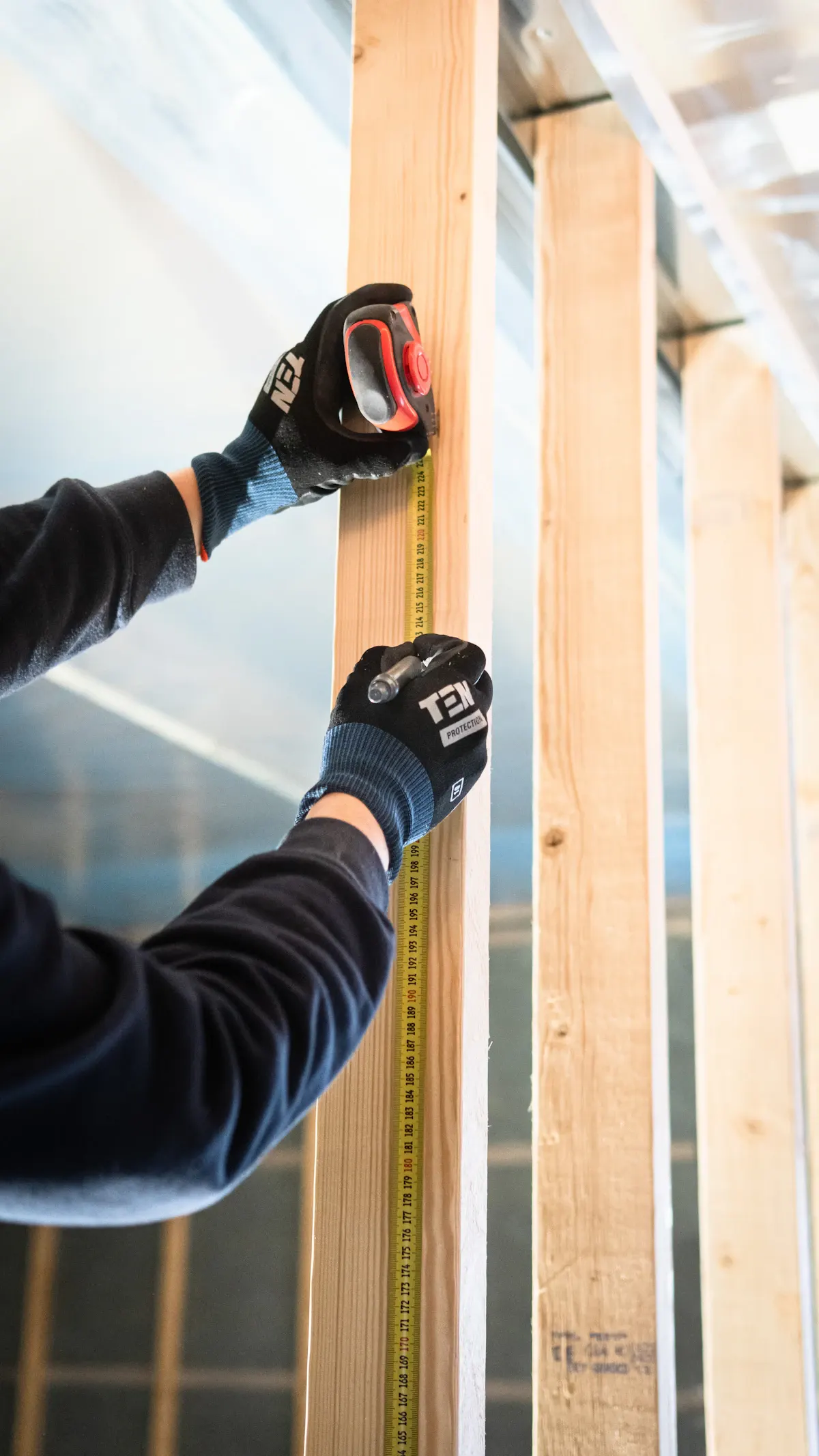
Count the tools you will buy and never use again: a stud finder, a drywall knife set, a hole saw, a basin wrench, a laser level. For one job, those purchases can approach a handyman's minimum on their own. Count the store trips, which are free in money but not in time. And count the second attempt, which the Hippo figures suggest is common enough to budget for.
Then set the total against the handyman option inside a bundle. Fixr's most common minimum is $130, and Thumbtack's two-to-five-hour band is $316 to $428. If your list is long enough to fill a half day, the marginal cost of adding one more task is often under an hour of labor. That is frequently less than the tools you would buy to do it yourself.
Over a decade, the pattern that saves most is a steady mix: DIY for the forgiving tasks, one or two bundled handyman visits a year for the rest. Harvard's Joint Center for Housing Studies found per-owner maintenance spending reached $1,200 in 2023, and the same research found professionals received 84.1% of owner improvement spending while DIY outlays fell. Homeowners are choosing to pay for skill on small jobs.
The expensive pattern is deferral followed by emergency. Angi's State of Home Spending report found households spent $1,143 on emergency repairs in 2025 on top of routine maintenance. Small leaks, loose railings and failed caulk grow into water damage and injuries. Whether you DIY or hire, the savings come from doing small repairs promptly rather than from the choice of who does them.
Older houses make DIY harder. Plaster walls crack under drills, old shutoff valves fail when turned, wiring may lack a ground, and pre-1978 paint may contain lead, which makes sanding and scraping a health question as well as a skill question. In older homes, keep DIY to tasks that do not open walls or disturb old paint, and hire for the rest. Note the build year on any request so a pro knows to bring the right anchors, testers and dust controls.
Region shifts the list more than the answer. Our analysis of the EIA's 2024 household survey found Northeast homes the draftiest, 17.2% drafty most or all of the time, and 41.3% of homes nationally drafty some of the time, so weatherstripping and door sweeps, both good DIY tasks, feature heavily on northern lists. Southern lists lean toward exterior caulk and moisture repairs, where product choice matters more than skill. Against Thumbtack's national average of $60–$75 per hour, high-cost metros reach $100 to $125 an hour, and there the DIY saving on each task is larger.
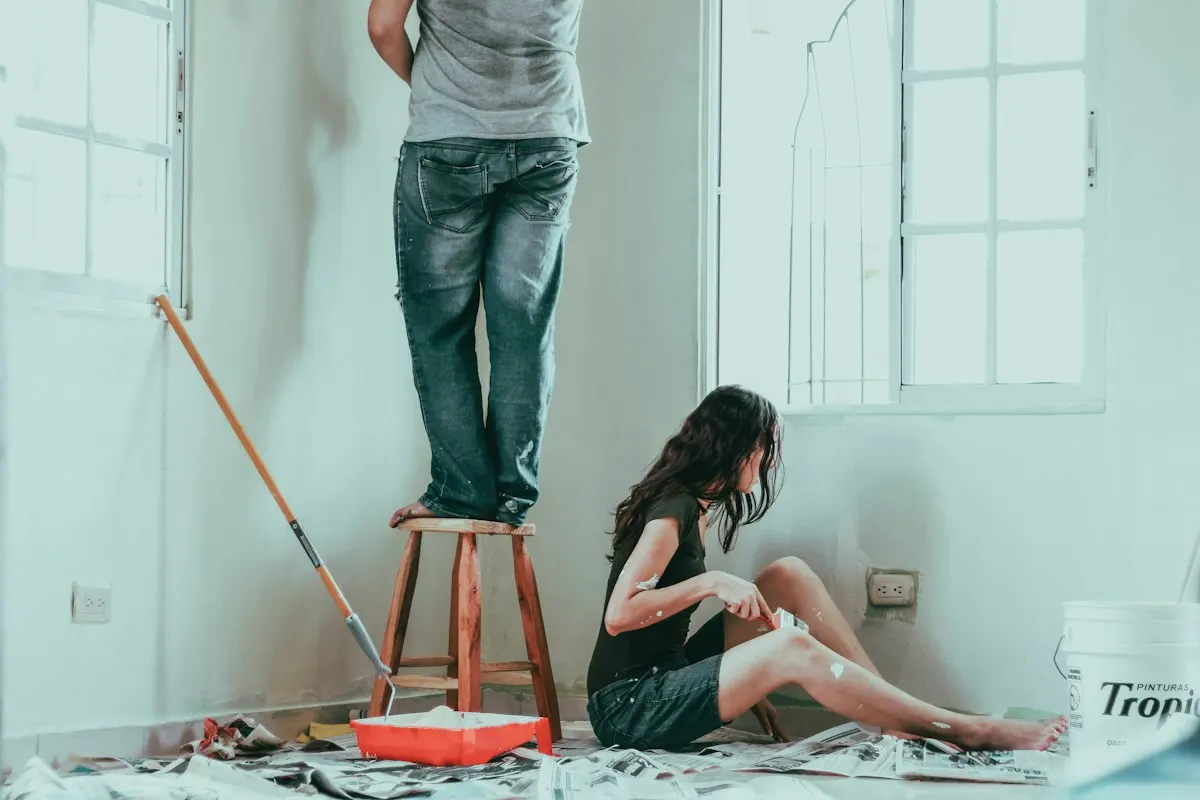
A basic kit covers most good DIY: a drill-driver with bits, a stud finder, a level, a utility knife, a caulk gun, a set of screwdrivers, a putty knife and a stepladder. Those tools pay for themselves across years of small tasks and make simple mounting, assembly and caulking realistic for most homeowners. Buying them is a sound investment if you expect to use them several times a year.
The tools that suggest hiring instead are the single-purpose ones: a drywall hawk and taping knives for one patch, a hammer drill for one masonry mount, a basin wrench for one faucet, an extension ladder for one high fixture. If a task needs a tool you will use once, compare the tool cost with the marginal cost of adding the task to a handyman visit. The general repairs guide lists the tasks that commonly fill a bundled visit.
Mark each item as DIY, hire or unsure, then send the hire and unsure items to a handyman for a quote. Ask the pro to price the unsure items separately so you can decide after seeing the number. Do your DIY items after the visit if they involve painting over the pro's patches, or before if they clear access for the pro, such as emptying a closet or moving furniture.
Avoid splitting a single task: starting a patch yourself and handing a half-finished wall to a pro usually costs more than letting them do it from the start. The planning guide explains how to write the list, and the estimate request form takes the hire items straight to local pros for a written price. Keep the DIY list too, and tick items off as you finish them, so the next handyman visit starts from an accurate picture.
Homeowner polls
Hippo found 58% of DIYers spent more than planned because of mistakes.
No votes yet. Yours will be the first. · saved on this device
No votes yet. Yours will be the first. · saved on this device
Do the forgiving items yourself over a weekend and bundle the rest into one handyman visit. That removes the small items from the paid list and keeps the visit focused on work you should not attempt. Many homeowners find the paid list is only three or four items once the easy ones are done.
For nail holes and small dings, yes; the materials are a few dollars and practice is cheap. For anything larger than a fist or on a textured wall, the learning curve shows on the wall. A pro's $125 to $175 for a hole that disappears is usually the better outcome for a visible wall.
Unpermitted or unlicensed electrical and plumbing work can complicate a claim if it causes damage, regardless of who did it. Cosmetic DIY does not. If in doubt, keep DIY to the non-regulated list and let a licensed trade handle anything behind the walls.
Take the time a pro would need and multiply it generously, often by two or three for a first attempt, then add store trips and cleanup. Hippo found 47% of DIYers underestimated time. If the task would take a pro under an hour and you have never done it, expect an afternoon. That is still worth it for many people, but it should be a deliberate choice.
Usually, for fixtures and anything with a brand or look, because it avoids the 10–30% markup Angi reports and the store-run trip fee. It only works if the parts are correct and complete before the visit. For consumables like anchors, compound and caulk, let the pro supply them; the markup on those is small and the pro knows the right grade.
Prep that clears access, such as moving furniture, emptying cabinets and removing wall decor, is a good way to reduce billable time. Prep that affects the finish, such as sanding patches, taping or priming, is better left to the pro who will be responsible for the result. If the finish goes wrong on a pro's work, you want no doubt about whose preparation caused it.
Some pros will not take responsibility for work started by someone else, especially plumbing and electrical, because they cannot see what was done. Others will, but may insist on redoing it from the start and pricing accordingly. Be honest on the request about what was attempted. Photos of the current state help the pro decide whether to fix, redo or decline.
For large or heavy pieces, such as wardrobes, bunk beds and tall dressers, professional assembly is often worth it for the tip-over anchoring and the second person alone. HomeGuide prices assembly at $50–$550 by piece size and extra-large items at $350 to $1,000, so the saving from DIY is large, but so is the time. Small and medium pieces with clear instructions are usually good DIY.
Stop before making it worse, make the area safe, and take photos of exactly where you stopped. For water, close the local shutoff or the main. For electrical, turn off the breaker and leave the device disconnected. Then add the task to your handyman list, or call a licensed trade if the problem is plumbing or wiring, and describe what you did honestly.
 ComparisonHandyman vs General contractor
Hire a handyman for small, unpermitted tasks within your state's licensing limit, such as repairs, patching, painting, assembly and like-for-like swaps.
 ComparisonHandyman vs Licensed plumber or electrician
A handyman is usually faster and cheaper for like-for-like swaps and simple adjustments where local rules allow, such as a faucet on existing valves, a light fixture on an existing box, or a running toilet.
ComparisonHandyman for patch and paint vs Dedicated painter or drywall contractorA handyman is usually the better fit for a few patches, one wall or a small room inside a bundled visit, because the minimum charge is lower and the patch can share it with other tasks.
 ComparisonHourly rate vs Fixed price per task or visit
Fixed prices suit tasks that are fully visible, photographed and have parts on hand, because the pro carries the time risk.
 Service guideGeneral Home Repairs
General home repairs are the grouped small tasks that keep a house working: sticking doors, loose handrails, failed caulk, cracked trim, wobbly fixtures, weatherstripping, and minor carpentry.
 Service guidePainting & Drywall
Painting and drywall work through a handyman covers holes, cracks, water-stained sections, corner bead damage, texture matching, and repainting a wall or room once the cause of the damage is handled.
 Service guidePlumbing & Electrical
This scope covers minor plumbing and electrical symptoms a homeowner notices first: a dripping faucet, a running toilet, a slow drain, a dead outlet, a wobbling ceiling fan, a light fixture swap.
 Service guideFurniture Assembly & Mounting
Assembly and mounting covers flat-pack furniture, TV and monitor mounts, floating shelves, mirrors, curtain hardware, and anti-tip anchoring for dressers and bookcases.
 Free toolHandyman cost calculator: price the visit by the hour
Size, material tier and complexity in, a realistic budget range out.
 Free toolHow well do you understand handyman pricing and scope?
10 questions that show what you already know and what to check next.
 Free toolPolls: how other homeowners handle the repair list
See what other planners chose and add your vote.
Tell us the size, the condition of what is there now, and what you want to change. Home Repair Scopebook passes your request to independent local professionals, who reply with written, no-obligation estimates. The service is free to use.